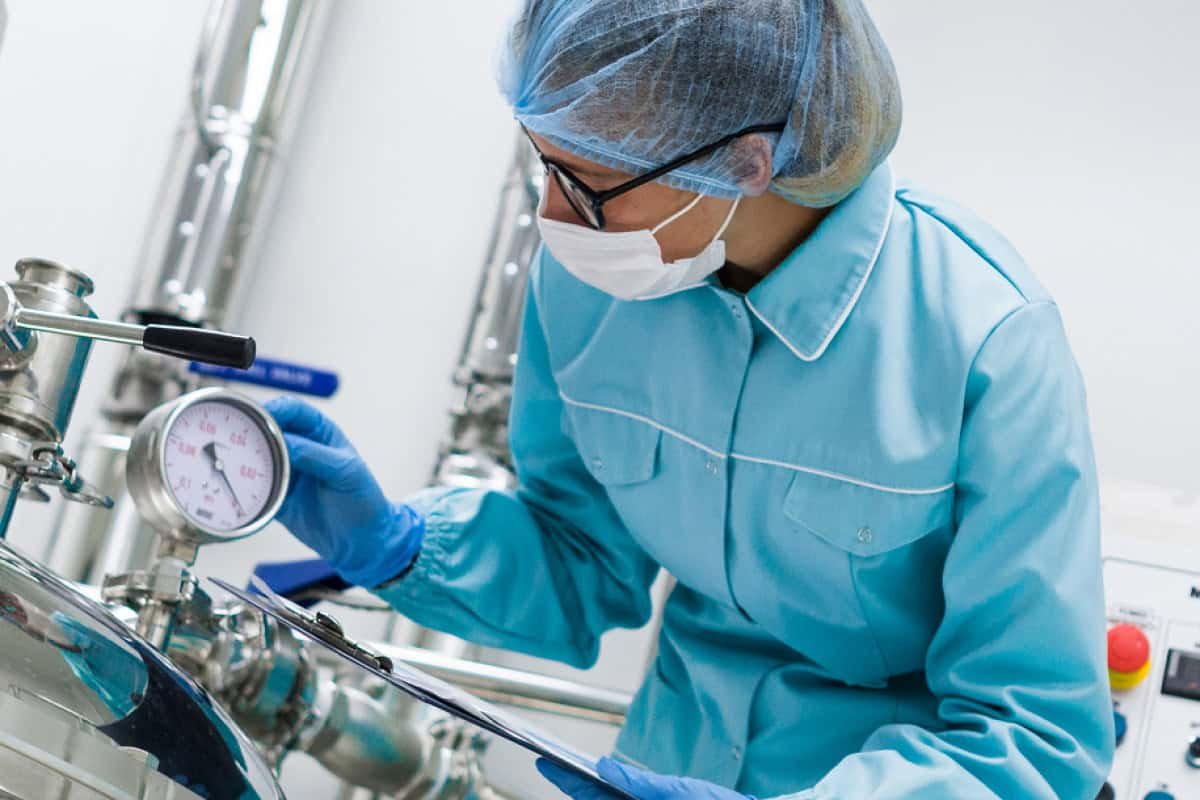
Pharmaceutical value chain
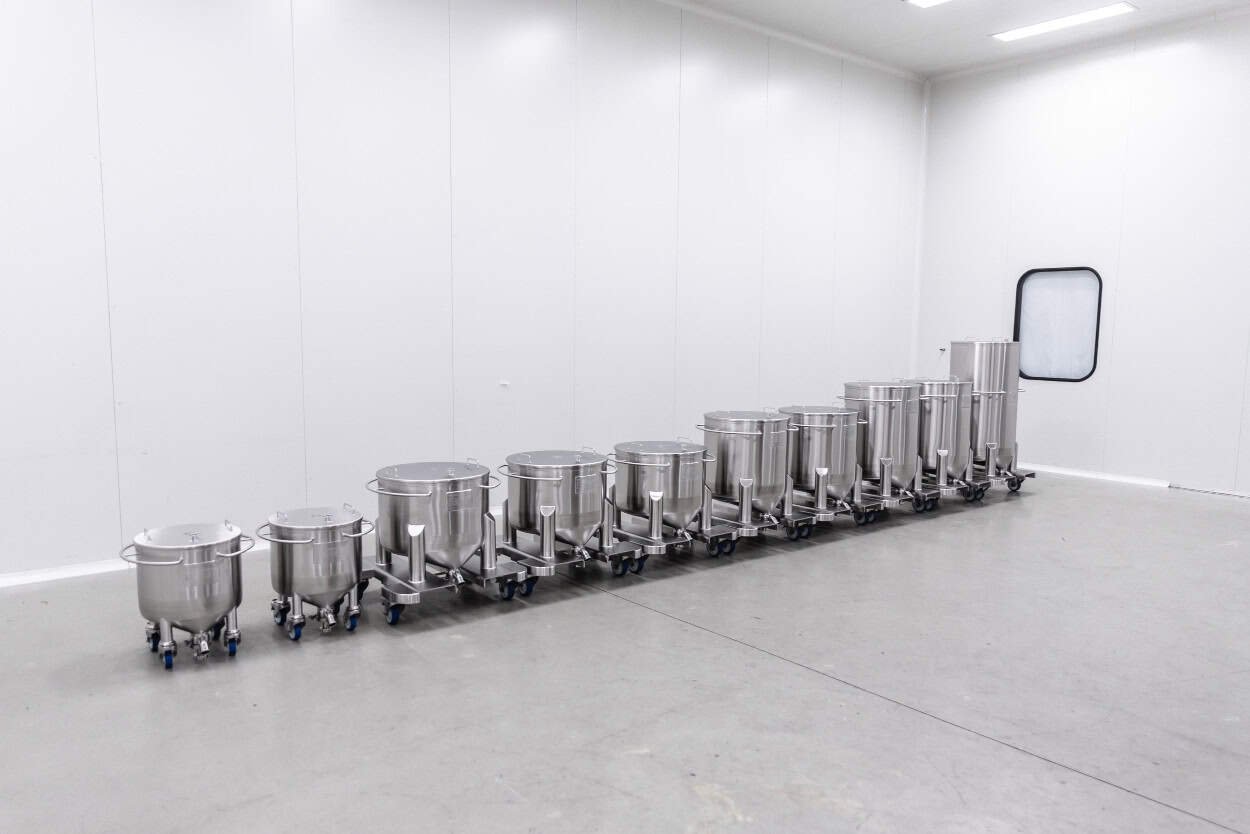
The activities of pharmaceutical companies relate to human and animal health, so the demands on medical equipment are high. Pharmaceutical companies are medical specialists, not mechanical engineers. The strength of Veenbrink RVS lies in its high level of collaboration during the design and production of medical equipment. This takes into account the interests of the entire pharmaceutical value chain: from operators to technical services, and from site engineers to the validation team.
Biopharmaceuticals
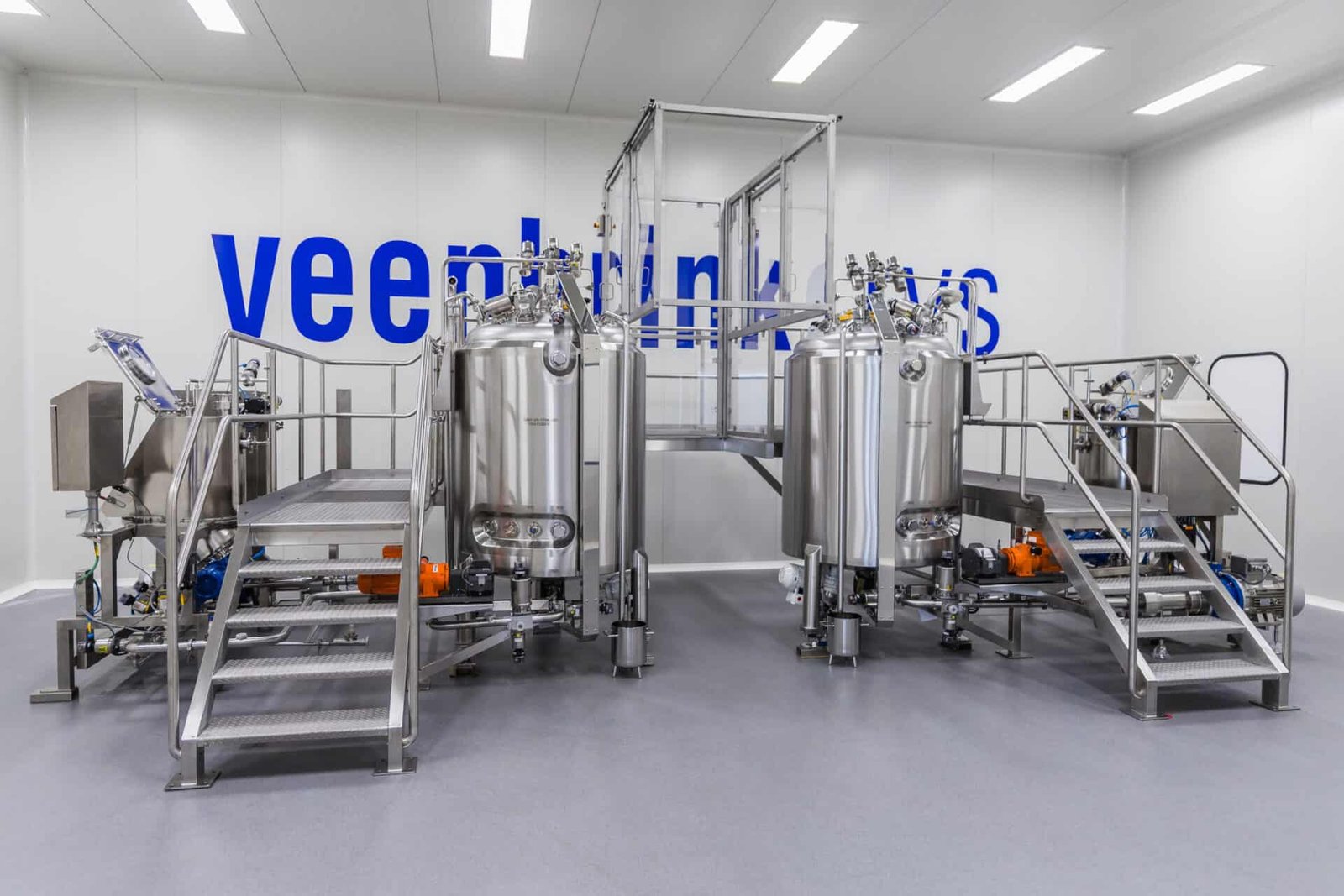
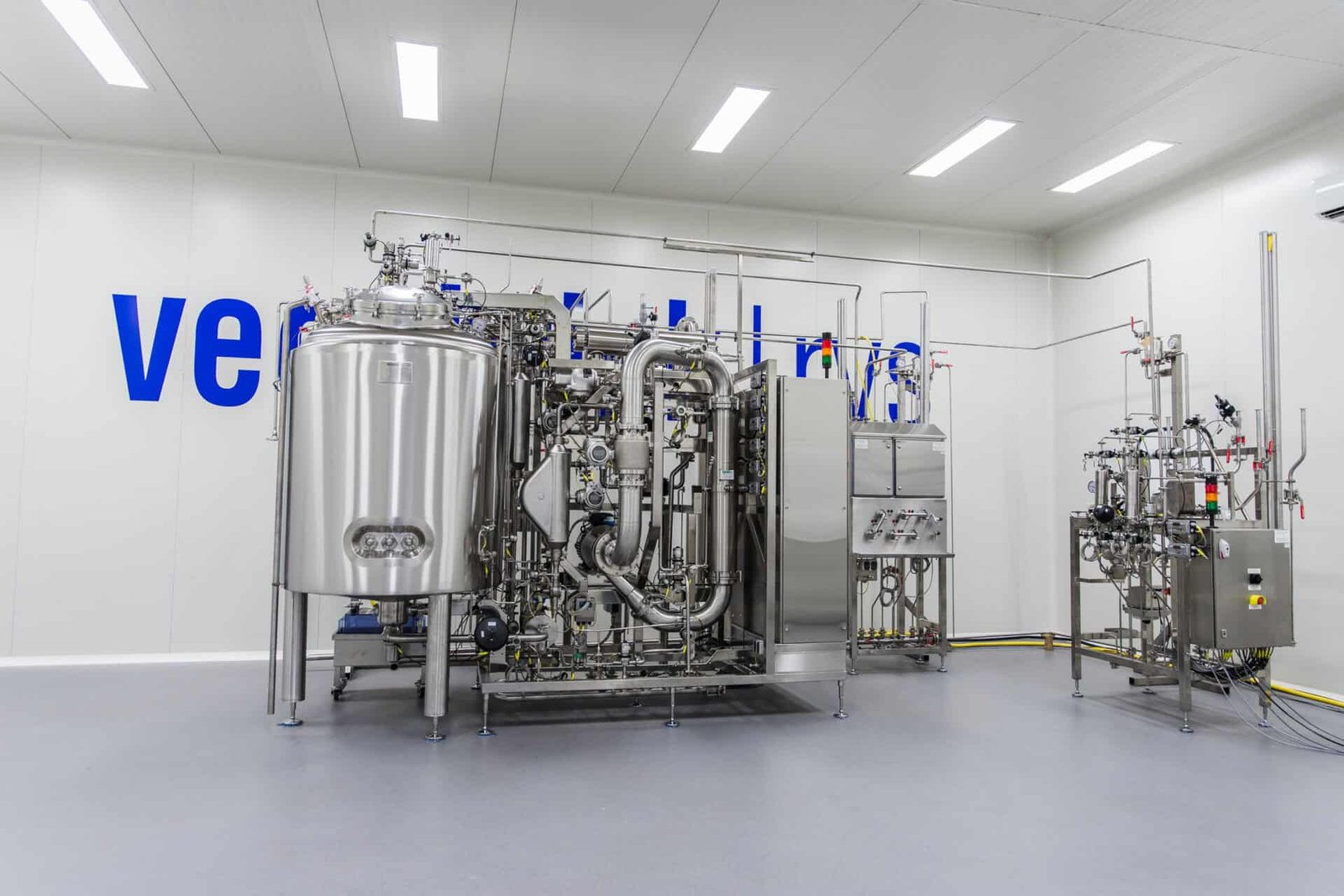
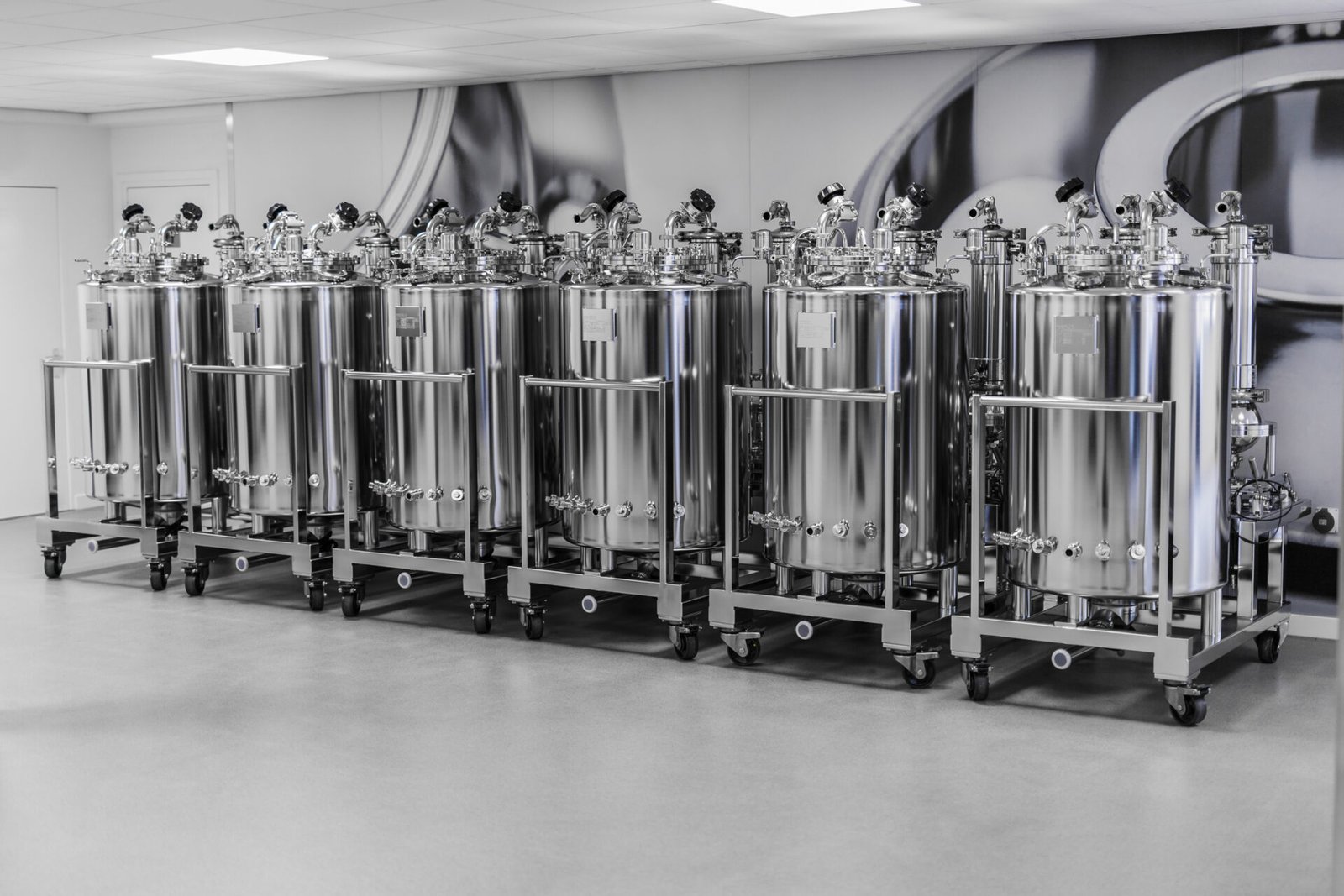
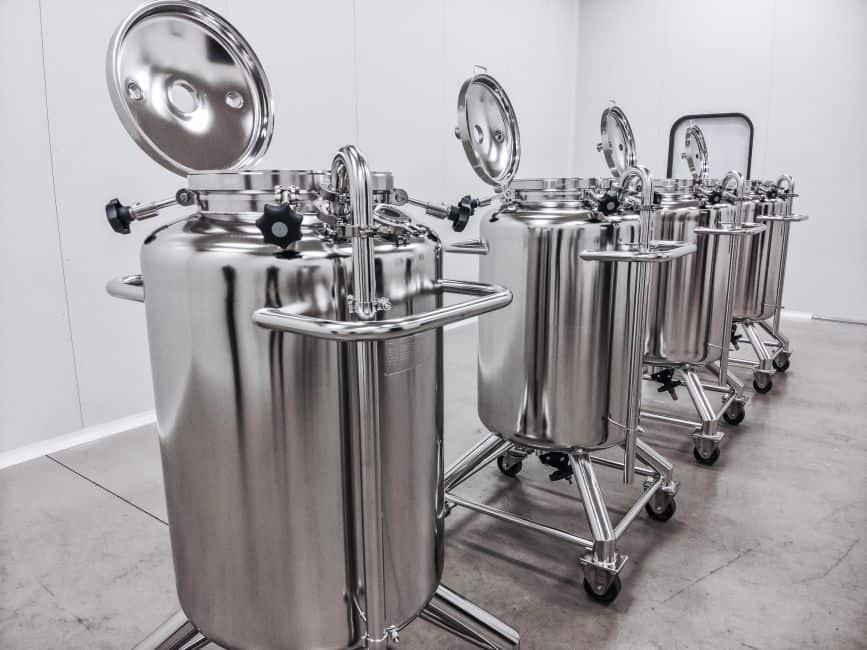
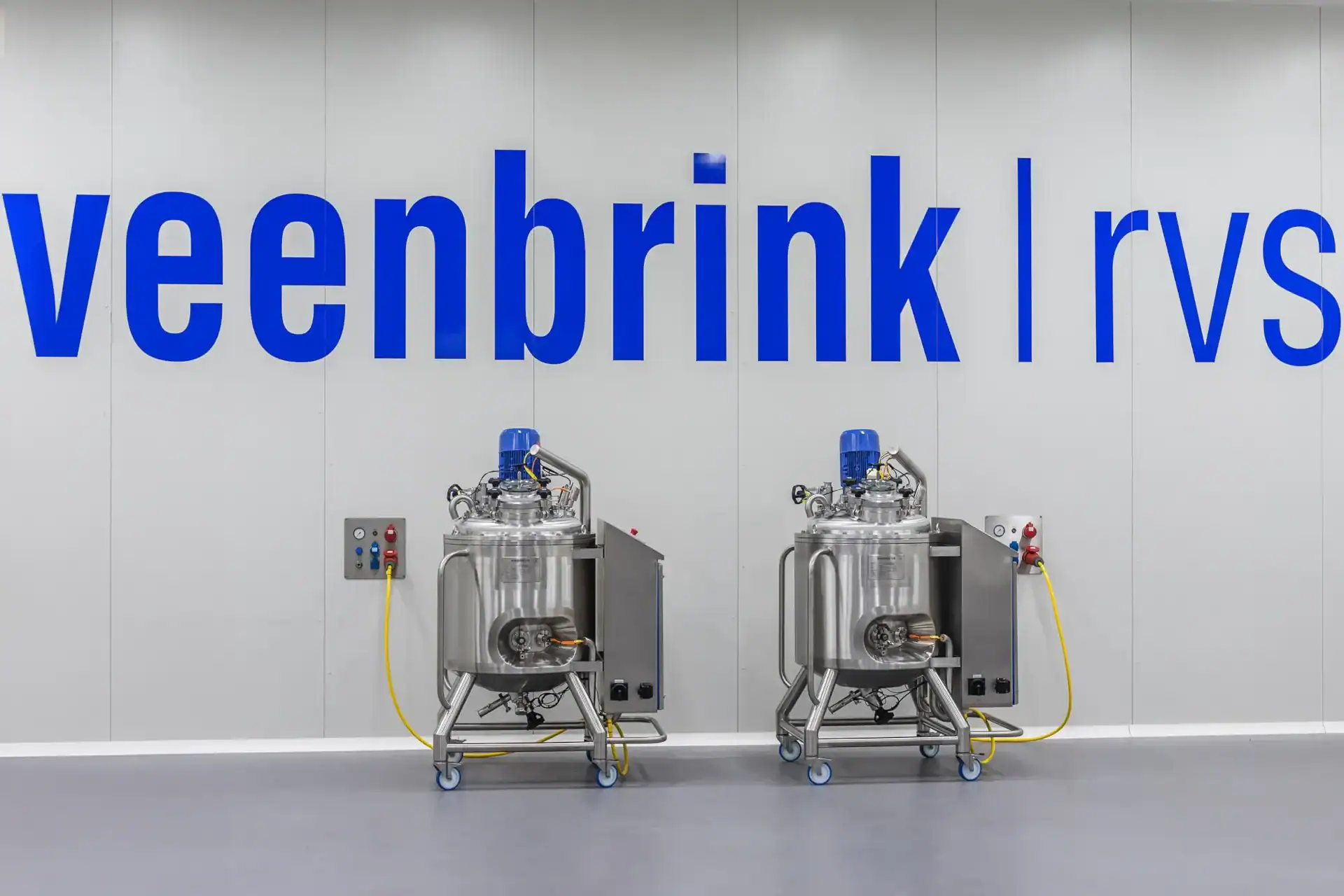
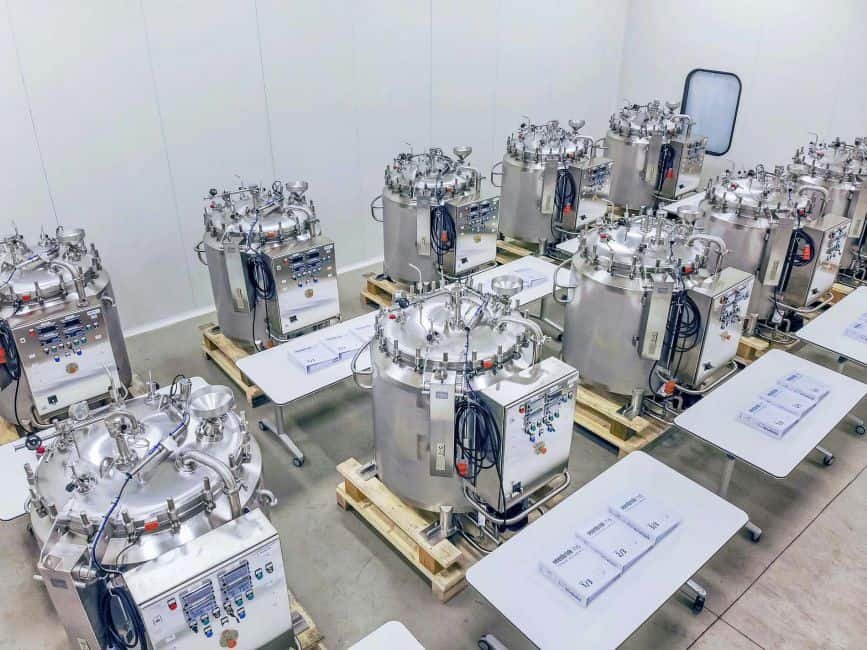
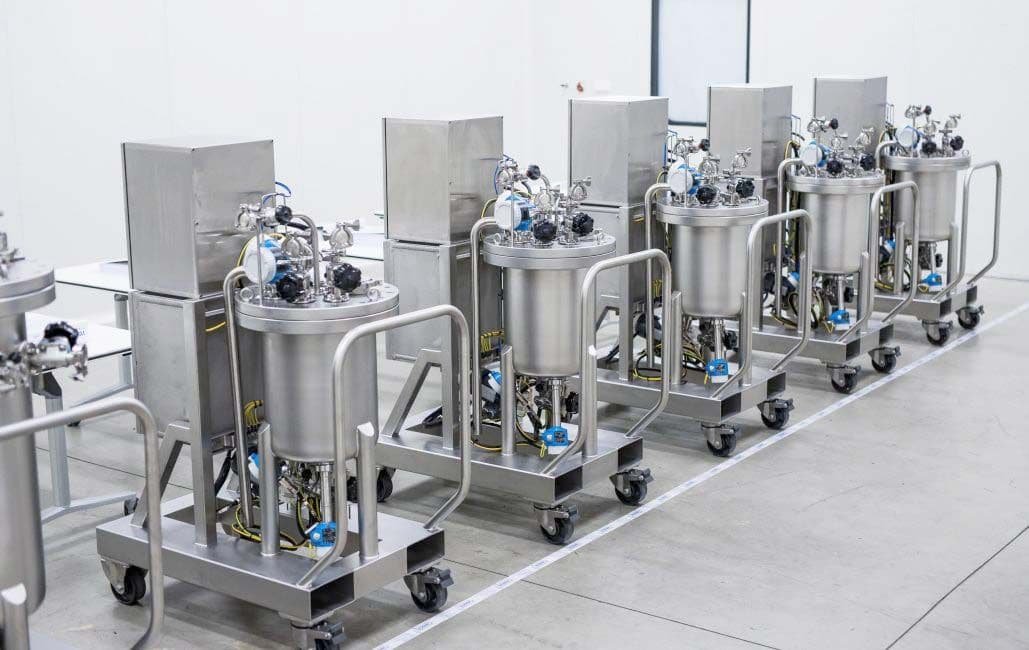
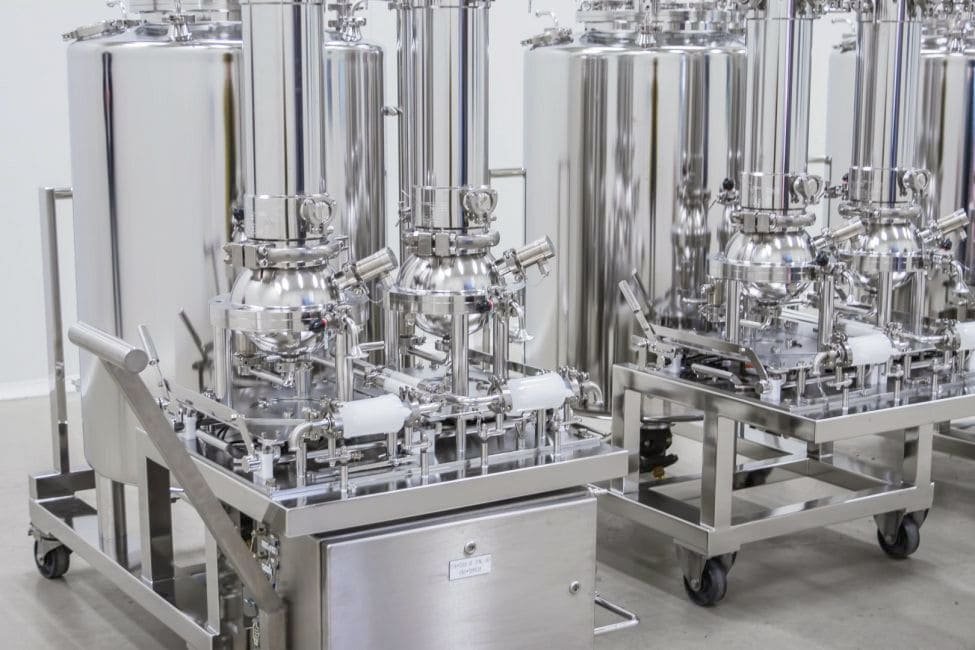
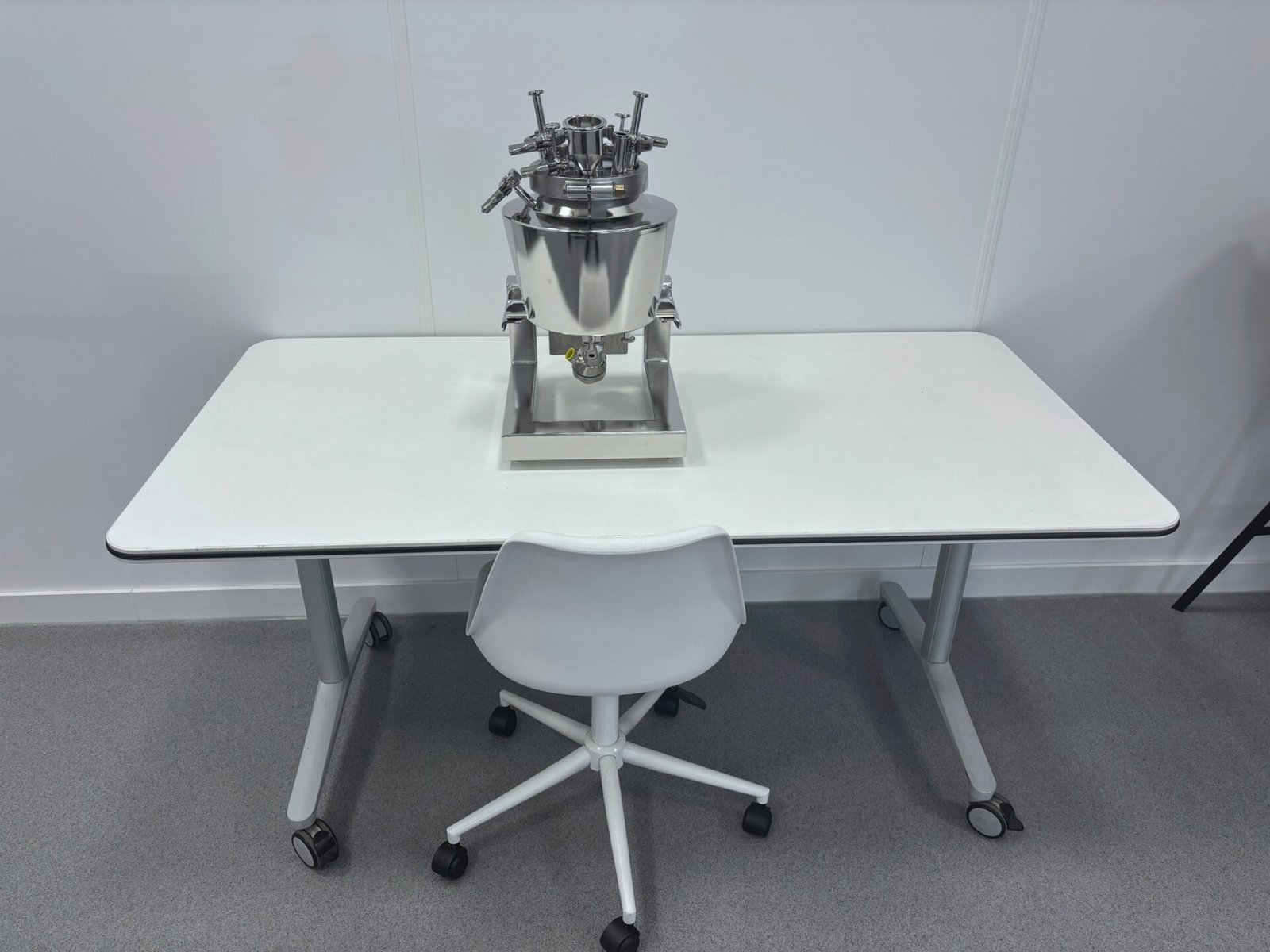
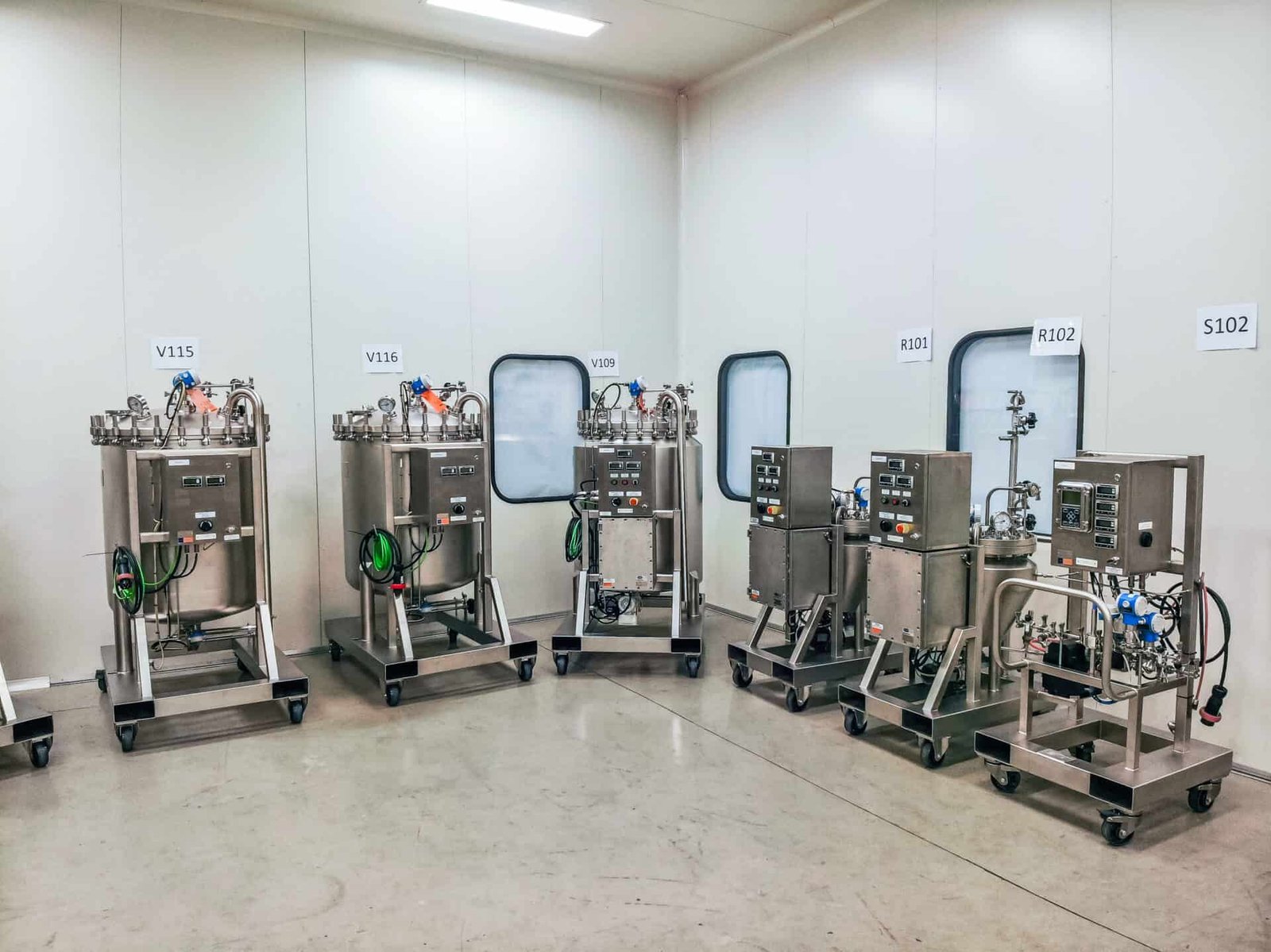
While many production processes involve chemical reactions between substances, biopharmaceuticals involve producing a product as a secretion from living cells. This involves placing cells in a living environment with certain conditions in terms of pH, temperature and the presence or absence of oxygen. The living cells are kept alive and fed with the right nutrients, which causes the cells to convert the input into the desired product. The nutrients are added to the vessel and often gently stirred. The emphasis here is on “gently” as the cells are often very fragile. This entire process is called biofermentation. Veenbrink RVS biofermenters (bioreactors) are often equipped with spargers: these ensure that nutrients are evenly supplied to the reactor, so that the substances are distributed throughout the vessel and then stirred. Naturally, Veenbrink’s stainless steel bioreactors are finished to the highest possible standard for hygiene reasons.


Upstream and downstream
Within biopharmaceuticals, a distinction is often made between upstream processing and downstream processing. Both phases also consist of a number of process steps. The upstream process essentially consists of:
- Media preparation, which involves the preparation of products to feed the microorganisms in the fermentation phase for growth.
- Cell culture, in which cells are cultivated by carefully controlling variables such as pH, temperature, pressure and oxygen content to optimise cell growth.
- Fermentation, where the culture broth is transformed into a valuable raw material that serves as the basis for the end product.
- Harvesting, where cell growth has peaked and different techniques are used to separate the cells from the culture broth, such as using an ISF (Internal Spin Filter) or ATF (Alternating Tangential Flow).
The entire fermentation process is therefore also seen as an upstream process within biotechnology. Process equipment within the media preparation is often cleaned locally by means of CIP and/or SIP. The fermenters and bioreactors, on the other hand, are often cleaned by autoclaving.
While the fermentation process is an upstream process where microorganisms are grown in a controlled environment of bioreactors, filtration is often seen as a downstream process.
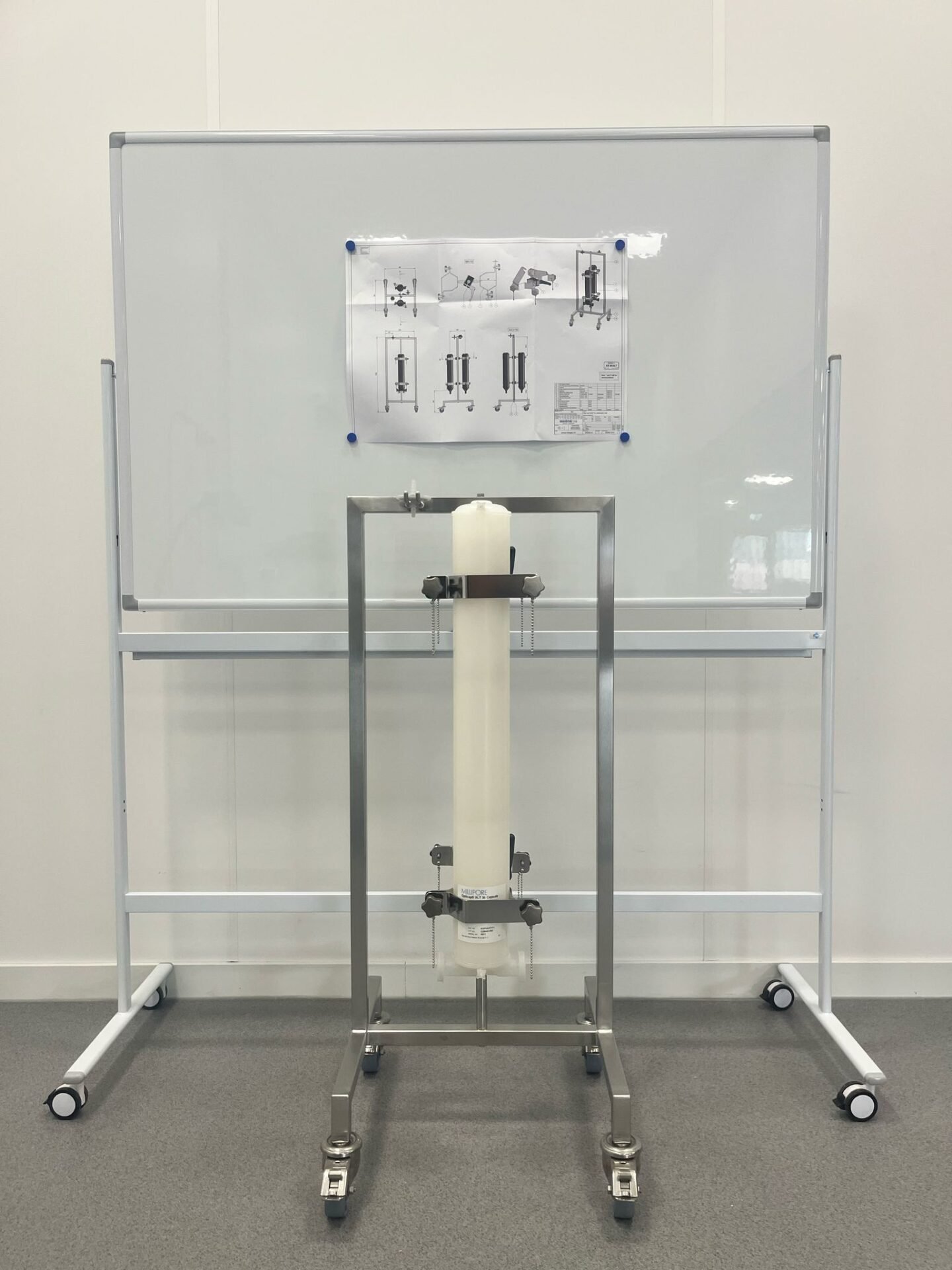
The downstream process basically consists of the separation and purification of the harvest generated during fermentation in the upstream process. This is performed by means of centrifugation, filtration and chromatography. However, some separation and filtration steps can also be characterised as upstream processes, such as the separation of cells from the culture broth during harvesting using an ISF (Internal Spin Filter) or ATF (Alternating Tangential Flow).