Our core values, mission and vision
Veenbrink RVS aims to contribute to a safer and healthier living environment for people and animals worldwide as the leading supplier of custom-made process equipment. With this philosophy, we serve the process industry with high-end equipment.
Our working method
Veenbrink RVS uses a project-based approach. This is a well-considered choice. Our project managers are involved throughout the entire project and therefore know all the ins and outs. This enables rapid adjustment and flexibility. A project starts with recording the scope of delivery. This includes an intensive process to determine the intended product use and to define all product requirements and wishes. All process data is also mapped. This includes the applicable design pressures, volumes, design temperatures, materials, loads, design codes and standards, test groups and the applicability or otherwise of hazardous and non-hazardous substances. The expert team at Veenbrink RVS will discuss your preferences and requirements with you, followed by a customised, no-commitments quote. This proposal includes a price and delivery time, as well as the relevant preliminary Vendor documents containing all technical product specifications. The preliminary Vendor documents form the basis for the further engineering and production process.
Engineering
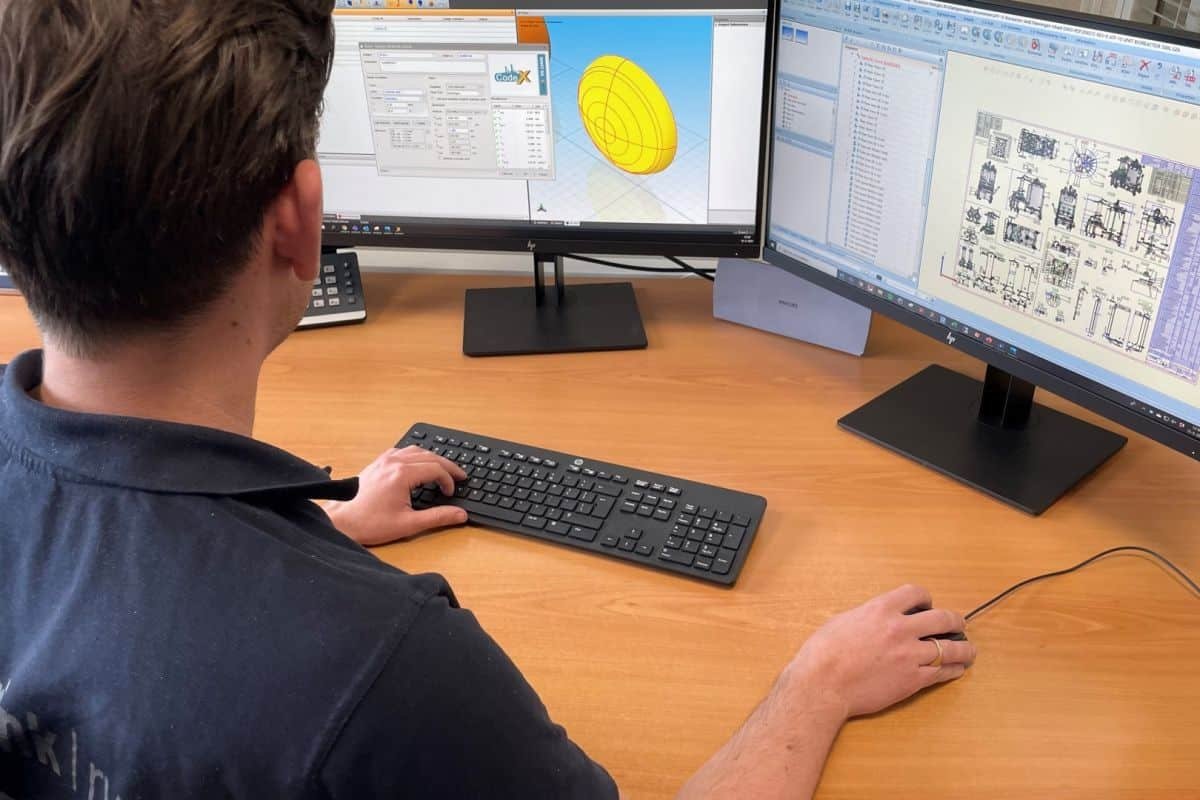
To minimise the total project lead time, the engineers will submit the drawings to you for approval at various stages. The engineer prepares an initial conceptual drawing based on the preliminary Vendor documents. This Concept Drawing represents an initial design with the basic geometry and is submitted for approval. The purpose of the Concept Drawing is to prevent project stagnation due to an incorrect basic design. If this basic design is approved, the engineer will work out the design in detail into a For Approval Drawing. The For Approval Drawing is a detailed design with an overview of the applicable welding procedures, tolerances and welding details. As the name implies, the detailed For Approval Drawing is also submitted for approval. Structural calculations and the inspection and test plan (ITP) are also prepared. Once the design has been approved, the necessary materials are organised and purchased from established, recognised and reliable suppliers.
Production
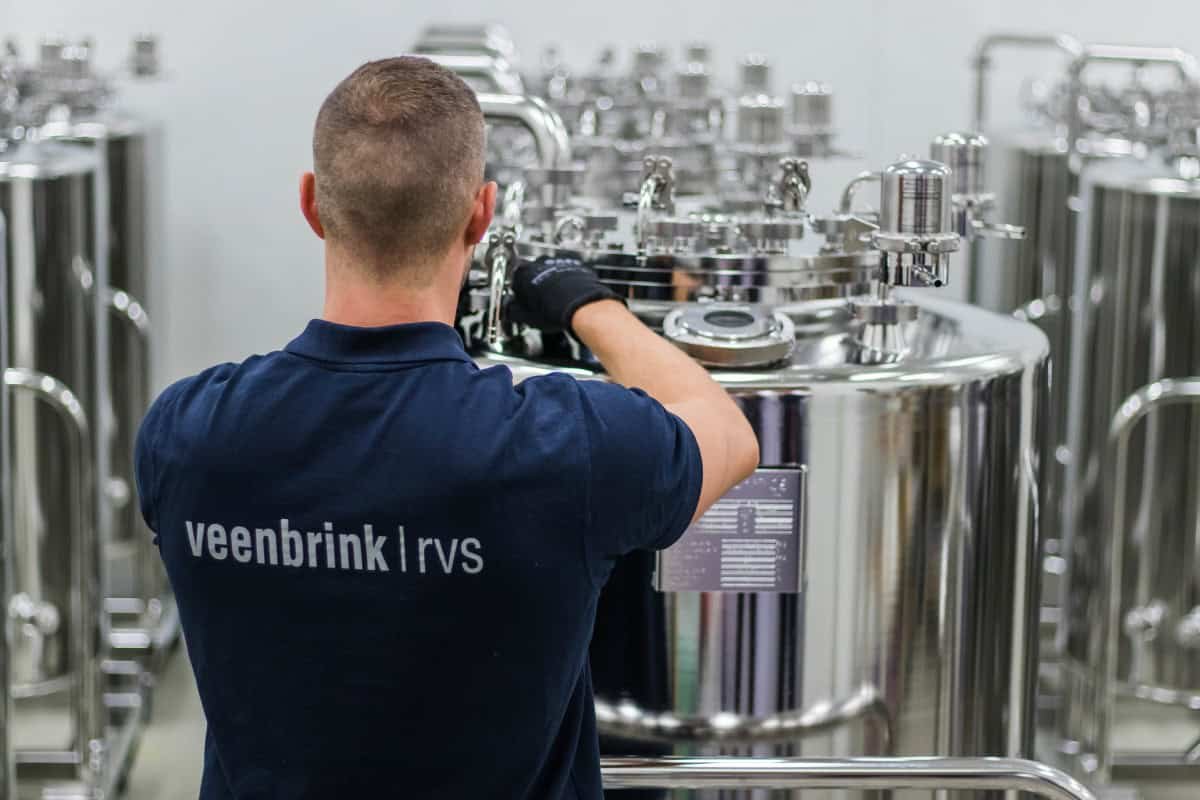
Production is started based on the approved drawings and the ITP. This is a streamlined process that focuses on product quality and the management of material certificates and welding log lists. The product is manufactured by various deformation and welding techniques. The inspection and test plan is also followed and the necessary non-destructive testing is performed.
After production, the product is extensively tested with the customer in the so-called Factory Acceptance Test (FAT). The FAT is conducted based on a previously established FAT protocol, specifying the items to be verified and tested during the FAT. Upon approval of the FAT and after resolving any outstanding issues, the product can be delivered. The delivery relates to both the product and the associated Vendor documents.
Deforming and welding
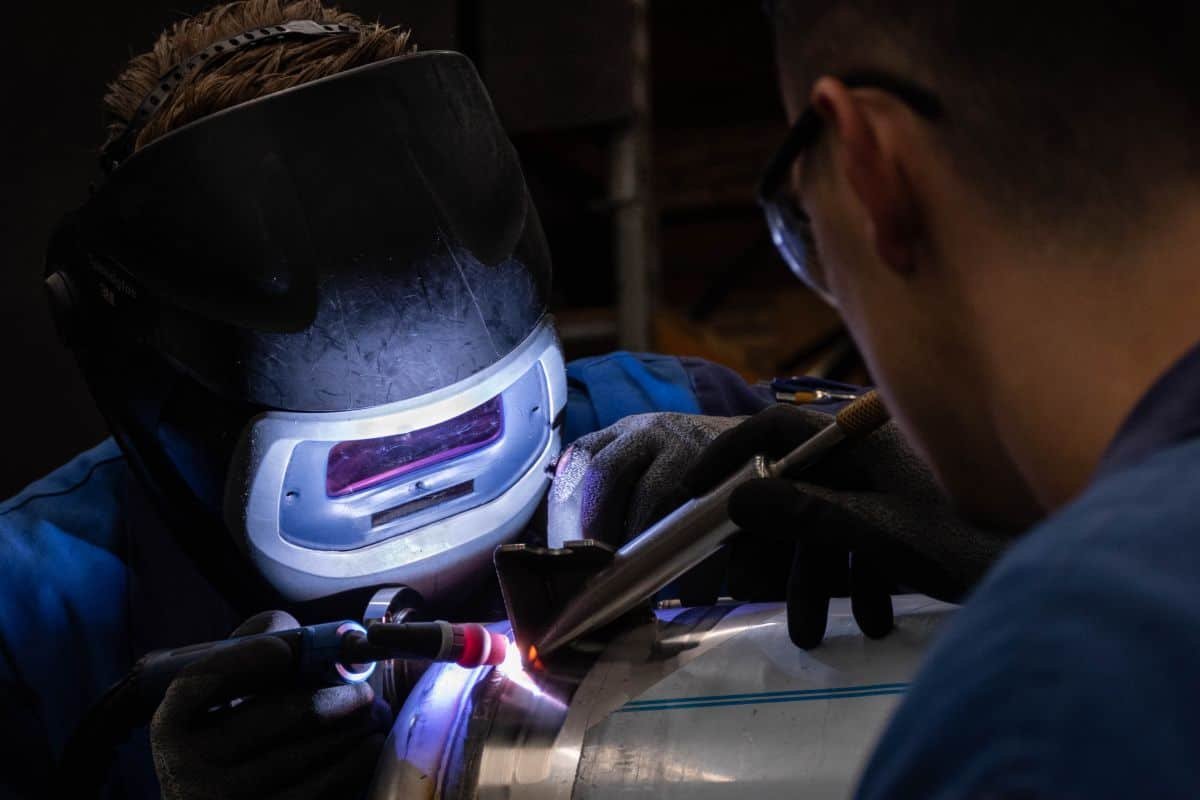
Veenbrink RVS has a sheet metal shear with a maximum cutting width of 4 meters and a maximum sheet thickness of 8 mm. In addition, a press brake is available with a maximum bending range of 4 meters and 170 tons of pressing force. With its various plate rolling machines, Veenbrink RVS is able to roll plates up to 10 mm thick and with a maximum plate width of 2.2 metres. The minimum roller diameter is 100 mm. With profile rollers, various types of tubes and profiles can be rolled into the desired radius. Welds are completed with qualified welding methods and all welders are certified to actually perform the work they perform. With its plasma bench, Veenbrink RVS is able to weld plates from 3 to 12 mm thick with a welding range of 2.2 meters longitudinal and 2 meters radial. Specialists on the shop floor are able to manually weld up to 20 mm TIG and MIG. Piping is completely machined and orbitally welded. Veenbrink RVS is also certified to weld various exotic alloys, including Duplex, Superduplex, Hastelloy C276, Hastelloy C22, Nickel 200 and Incoloy 800.
Finishing and post-treatment
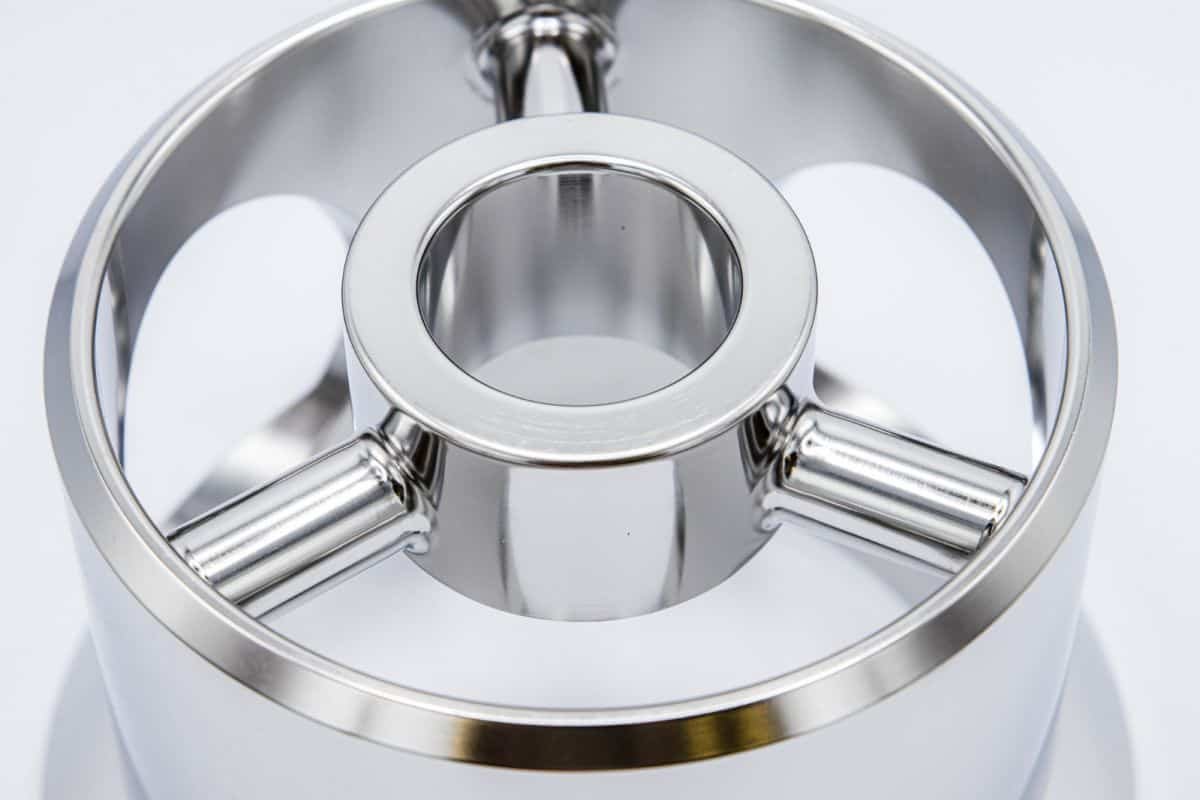
Manufactured products are finished to the highest possible degree. The finishing method is tailored to the customer’s preferences and requirements. Veenbrink RVS can process both cold-rolled and hot-rolled plates to any desired finish. Veenbrink RVS can grind virtually any surface up to a maximum Ra value of 0.1 μm. High-gloss electrolytic polishing, directionless sanding, brushing and blasting are also possible.
After welding the product and finishing it, for example by grinding, the product is pickled. To regenerate the oxide layer, the product is often additionally passivated. At Veenbrink RVS, various pickling methods are used, including submerging in a pickling bath, electrotigging, and application of a pickling paste.
Testing, packaging and transport
The product is tested before, during and after production. After production, the product is visually inspected at all times. Depending on customer requirements, additional tests can also be performed, including testing the roughness, the noise level generated by the product or, for example, the sprayability of any spray balls present. In addition, various non-destructive tests (NDT) can be performed, whether or not required by the PED. This includes radiographic X-ray examination, penetrant examination, ferritic testing and hydrostatic pressure testing up to 450 bar. After the product passes all tests, it is packaged and transported to the customer’s desired location. Veenbrink RVS provides insured transport worldwide. Any applicable Vendor documents will also be provided, both on paper and in digital format.