Bioreactors with ATF
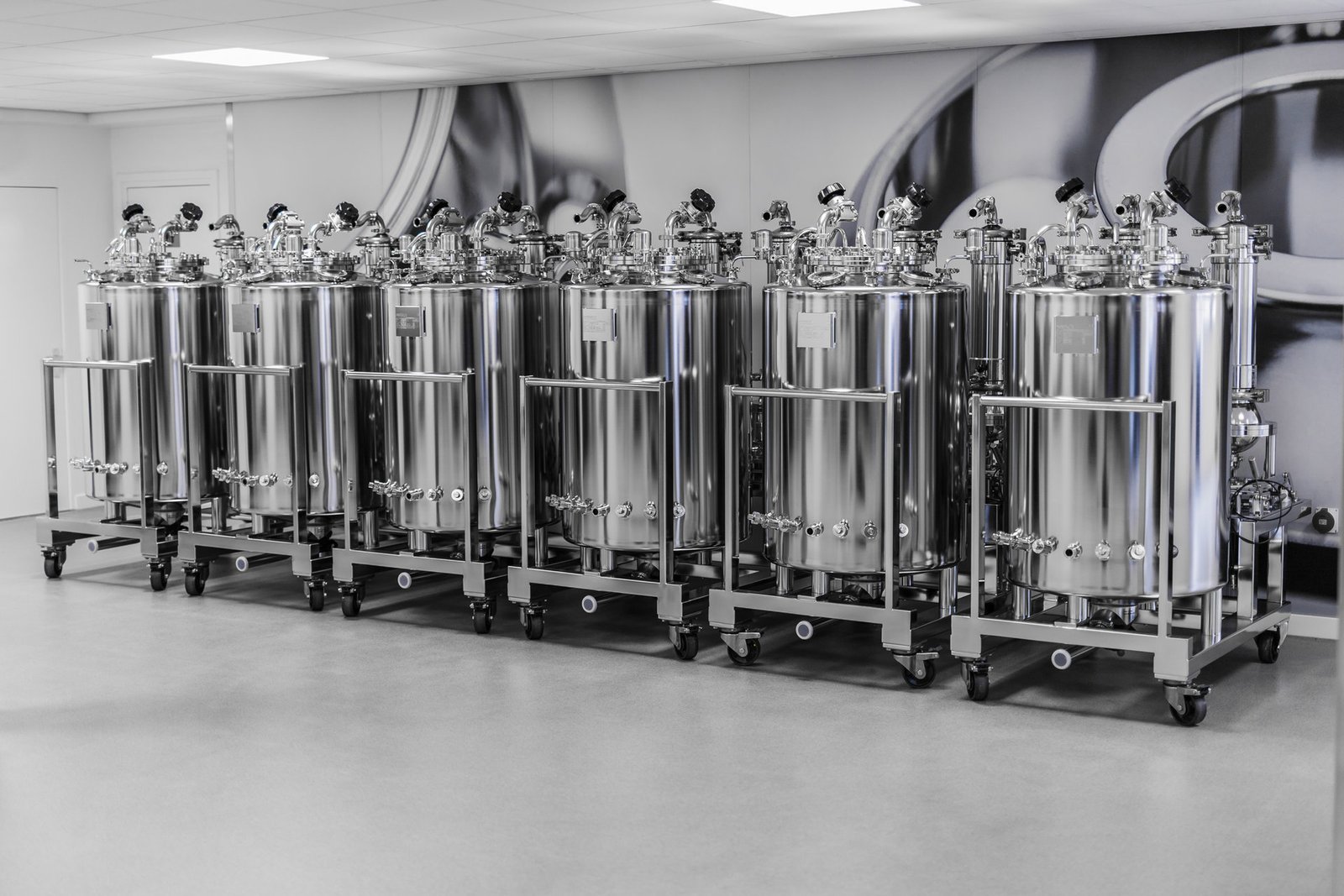
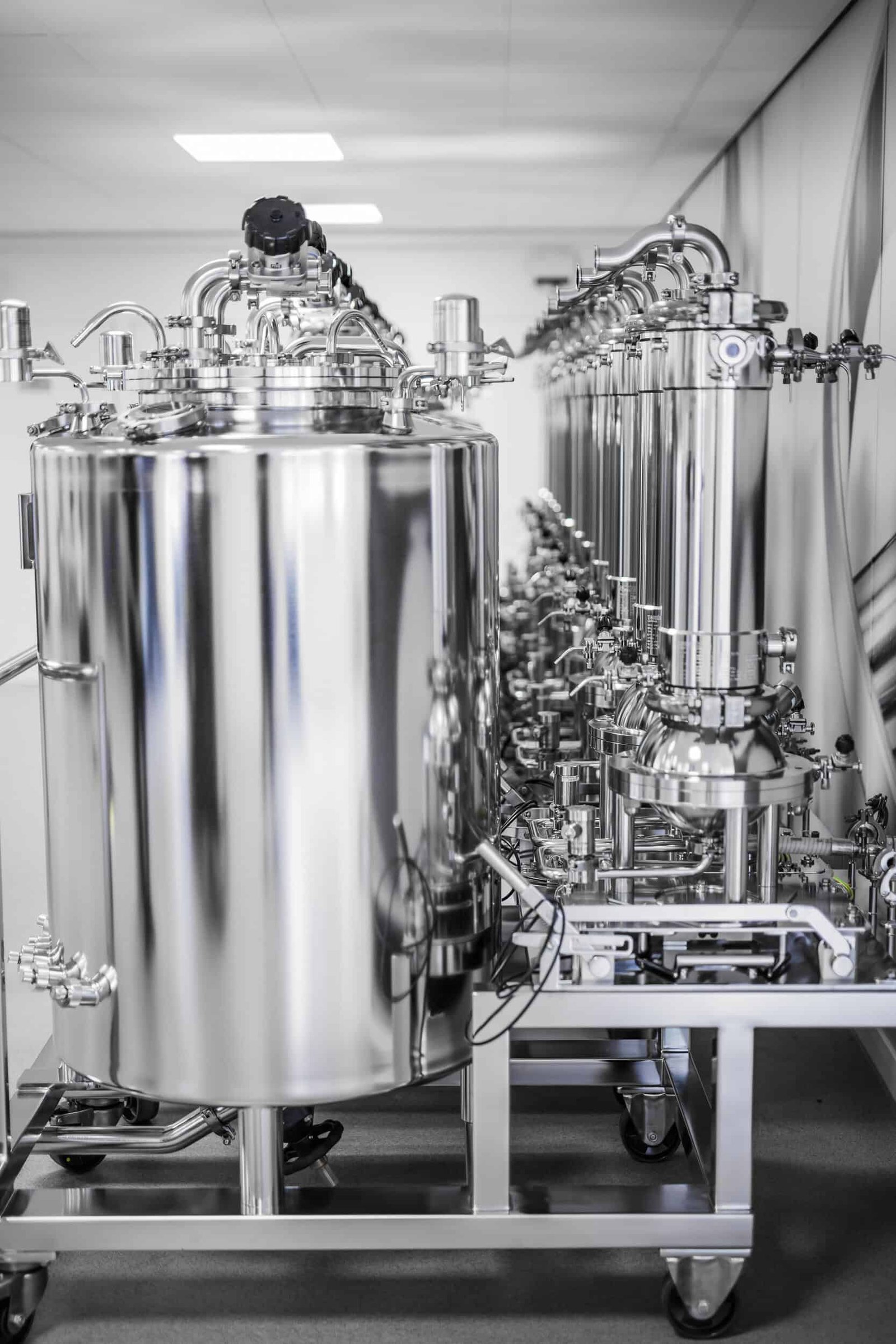
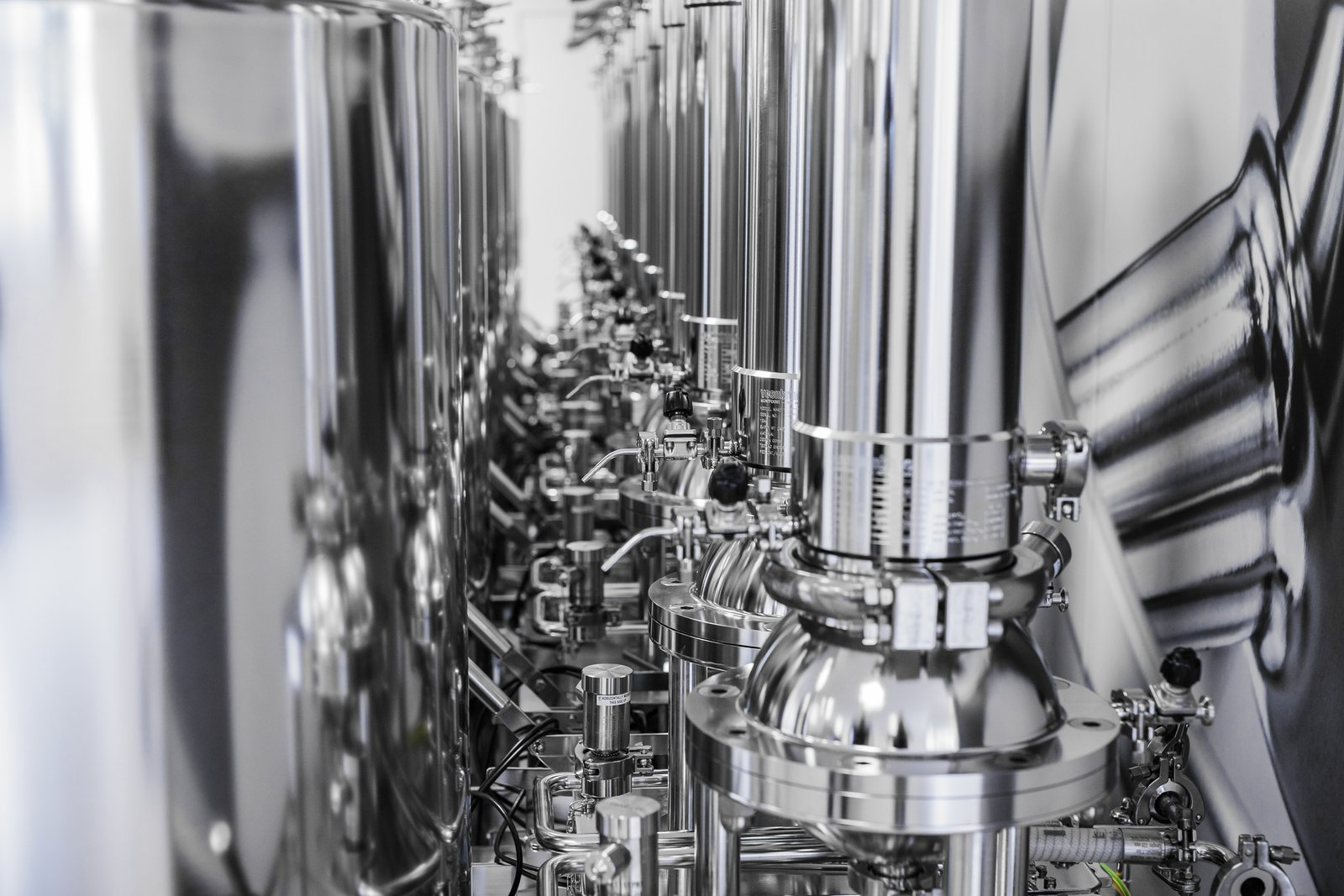
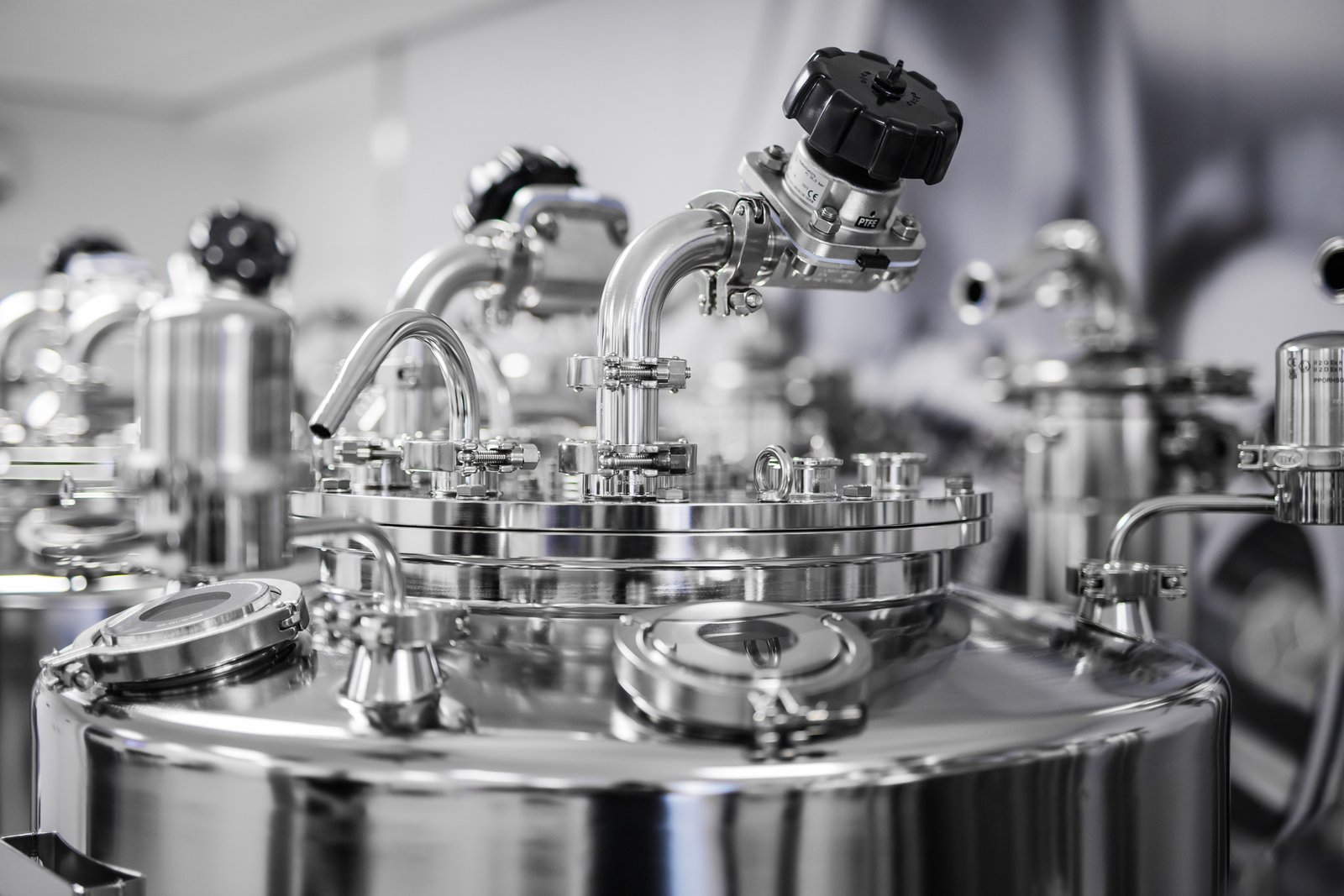
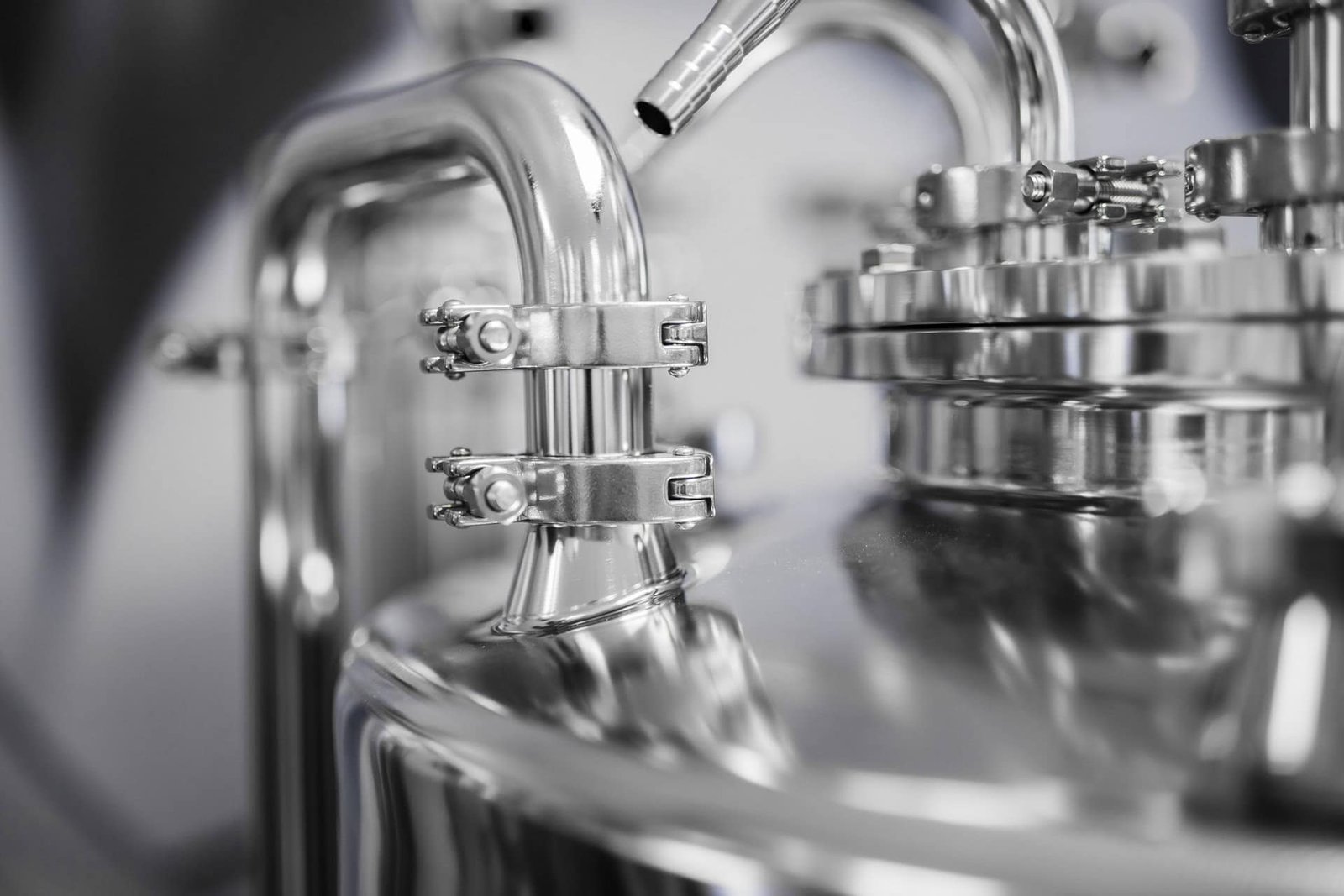
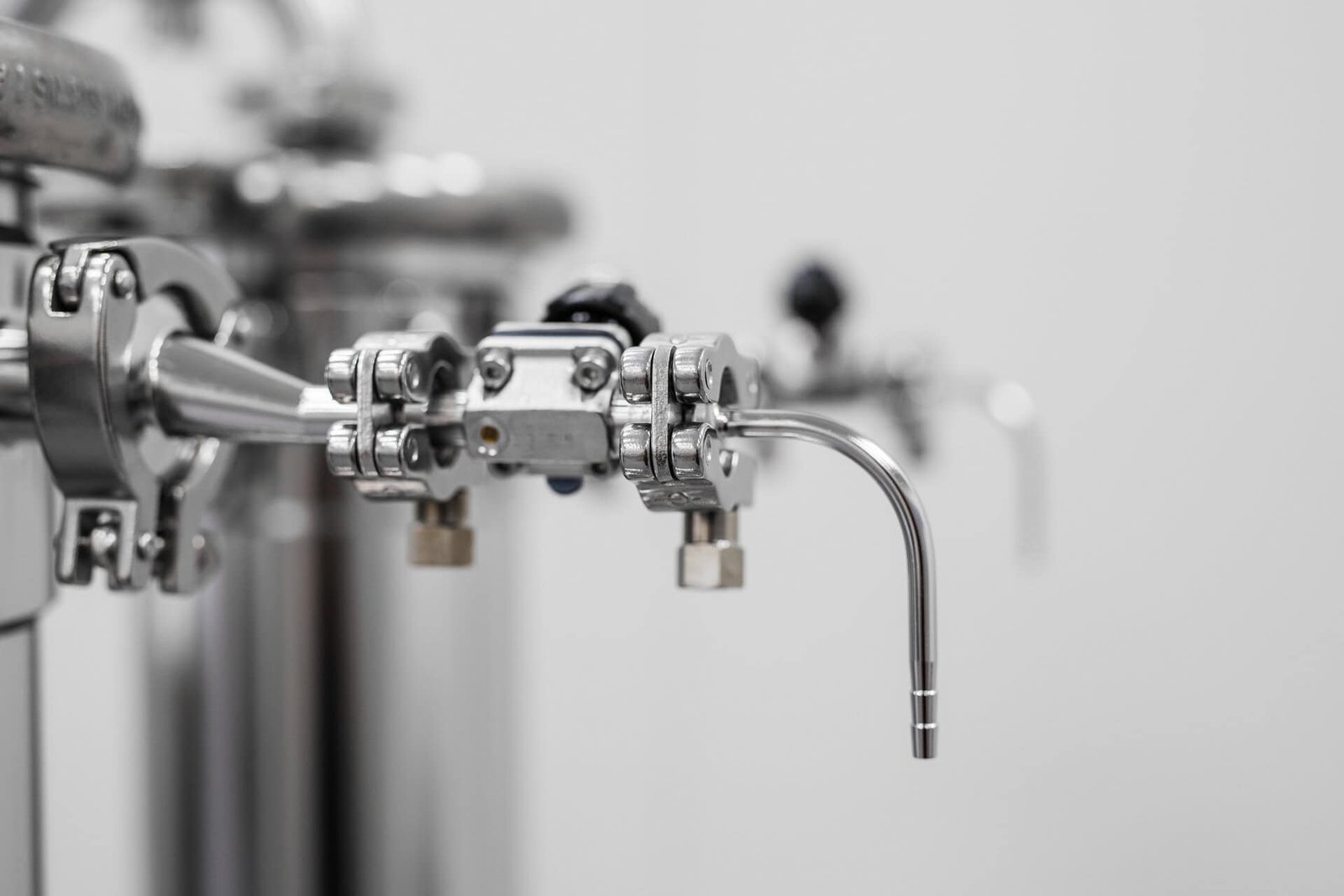
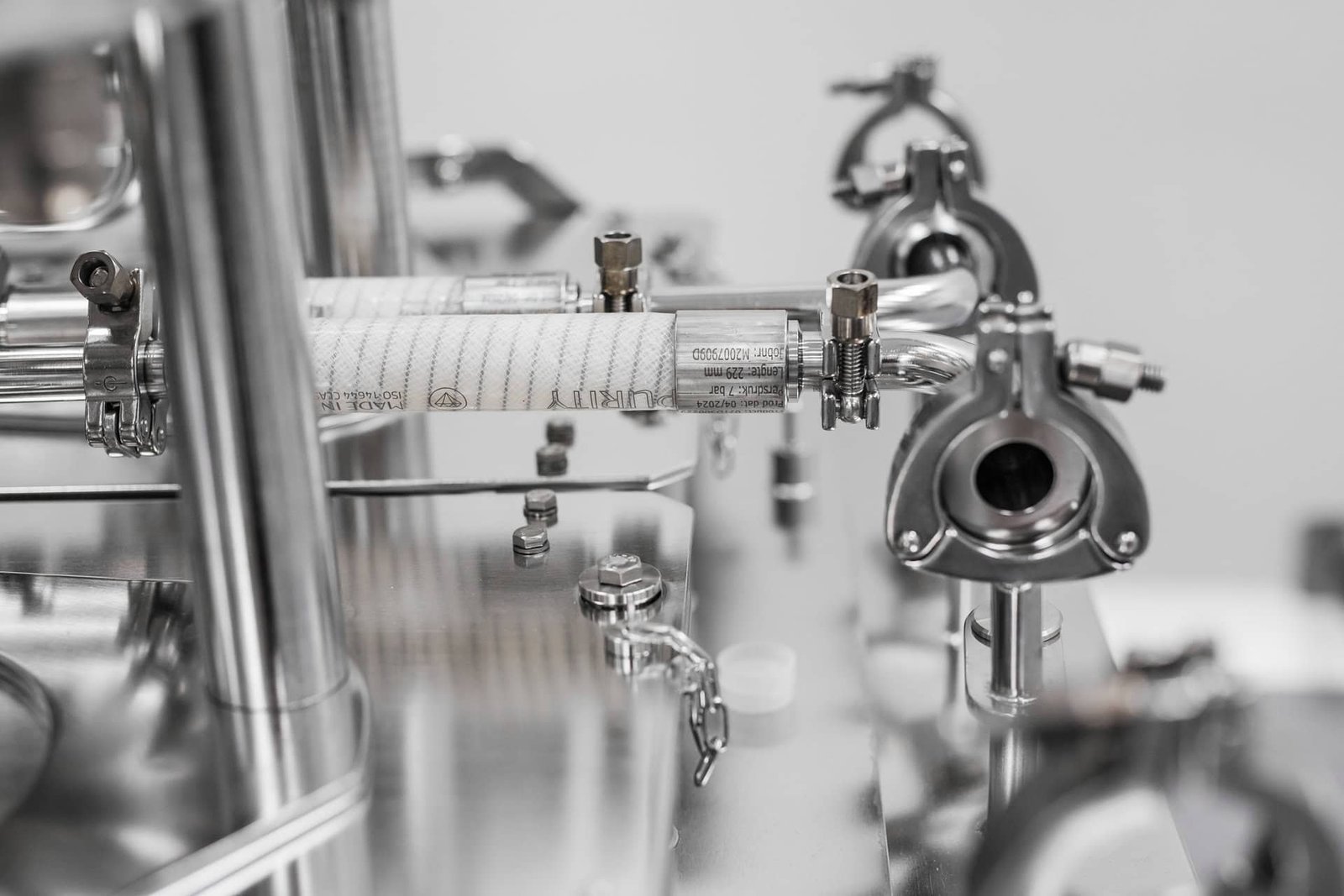
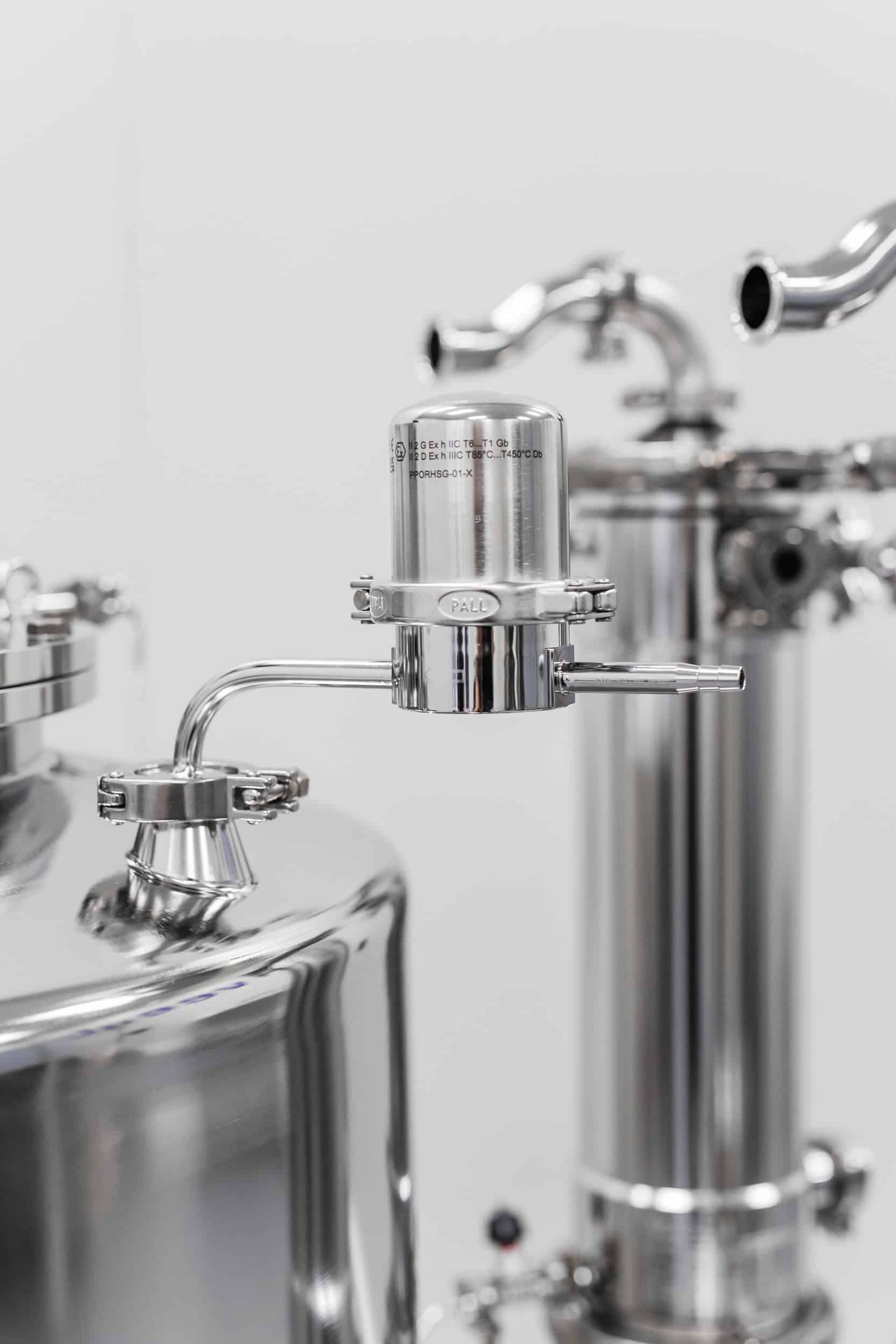
Veenbrink RVS supplies bioreactors in various volumes. The bioreactors are characterised by a fermentation process within the upstream biotechnology. This is a biological process in which microorganisms are introduced into an ideal environment. By very precisely controlling the conditions in the reactor, such as pH value, temperature, pressure and oxygen content, the growth and activity of the micro-organisms are optimised. The cells provide for the production of nutrients for the finished product.
The life cycles of fermentation batches are often uniform. Cells exposed to the controlled conditions at the beginning of the process must first acclimate to the new environment. Once the cells become accustomed, they begin to double at a consistent rate. When cells secrete a certain amount of waste, cell growth stagnates: the number of cells that die increases and the number of cells that double decreases. Once the fermentation process is at its peak, the harvest takes place. Harvesting can be done in different ways:
- ISF (Internal Spin Filter) harvesting
- ATF (Alternating Tangential Flow) harvesting
With an ISF (Internal Spin Filter), the harvest is obtained by using a spin filter inside the reactor: a harvest tube collects all cell-free media present in the spin filter. Because the filter has a specific mesh size, it ensures that cells remain outside the filter and the harvesting zone and can continue to grow as long as conditions are right.
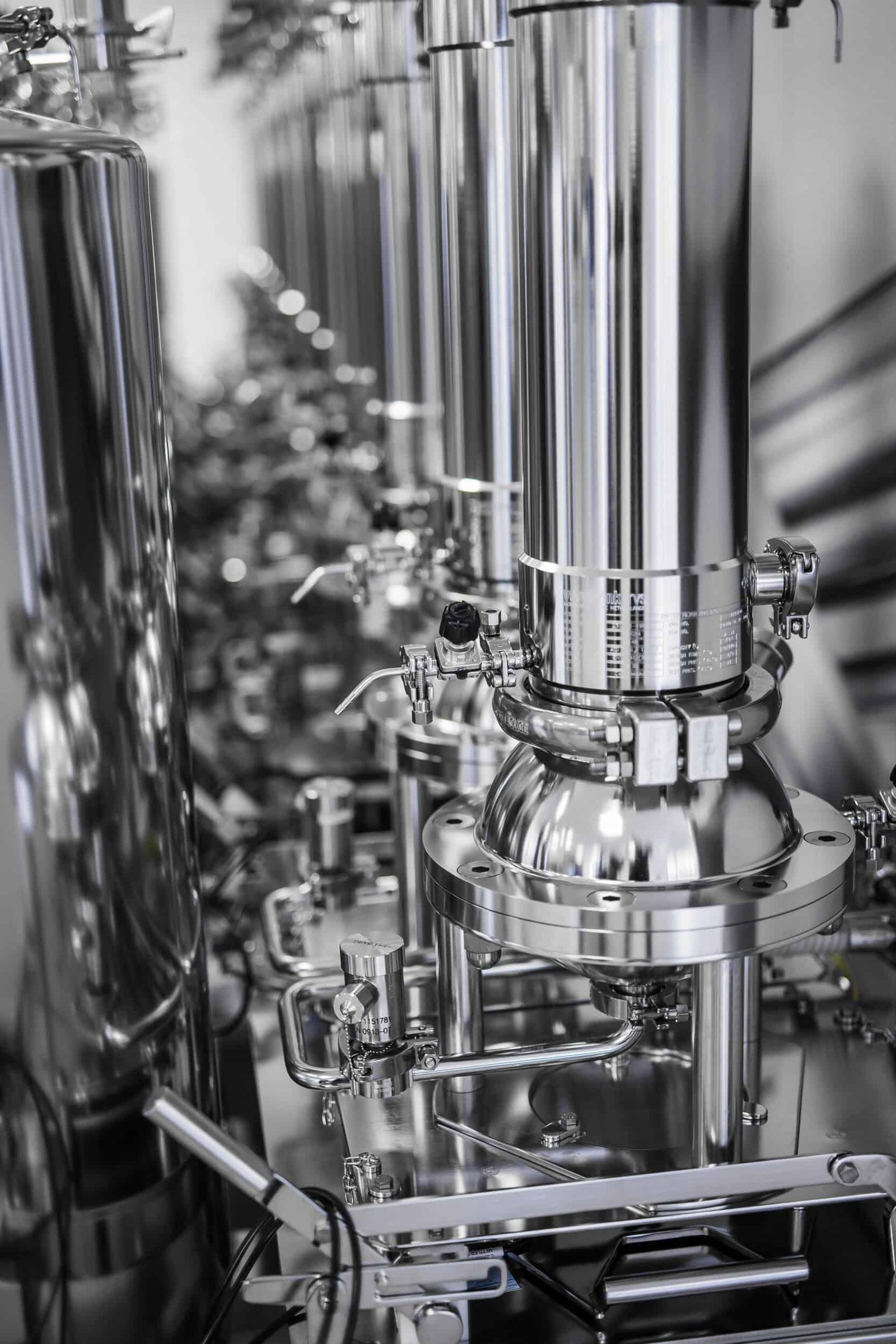
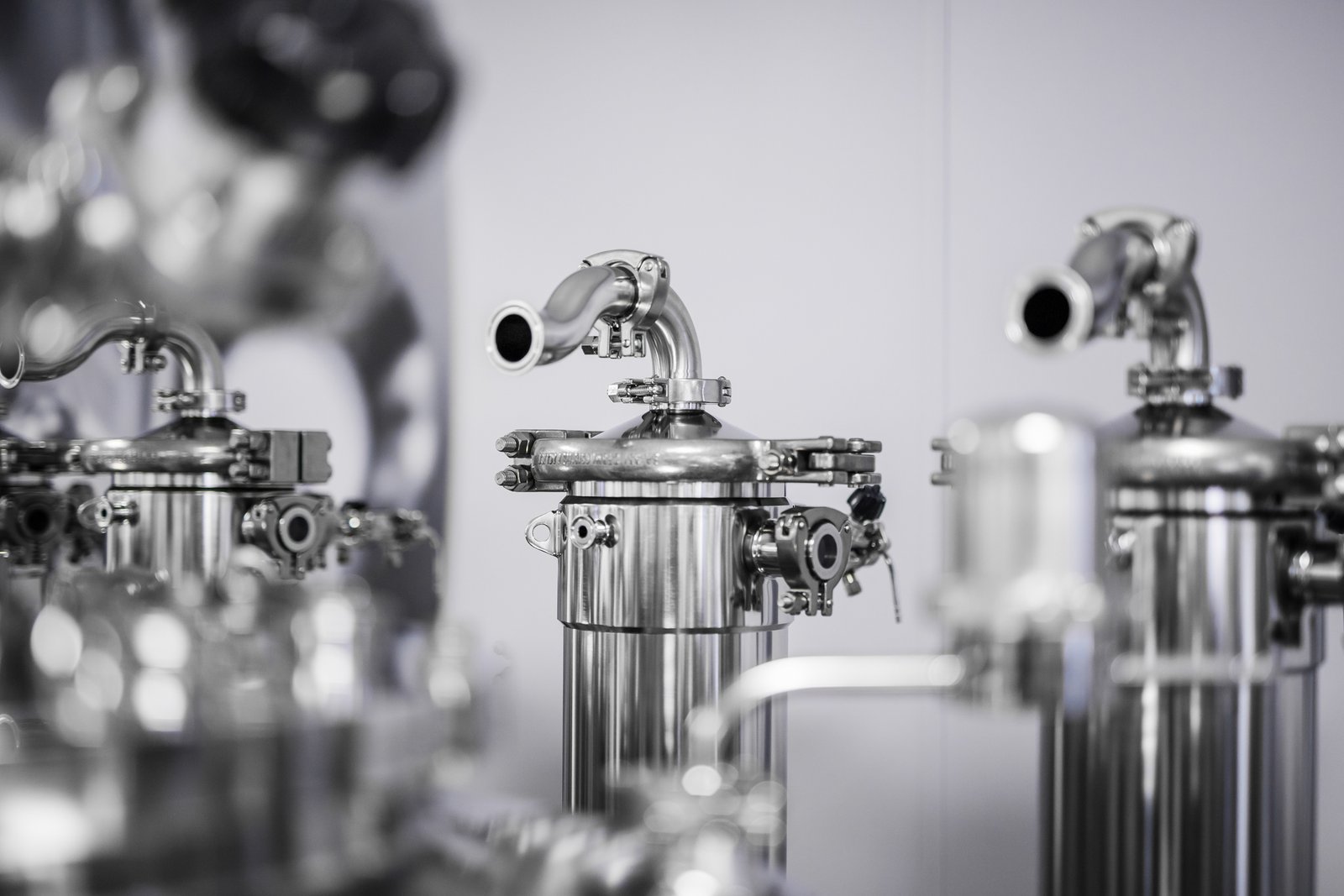
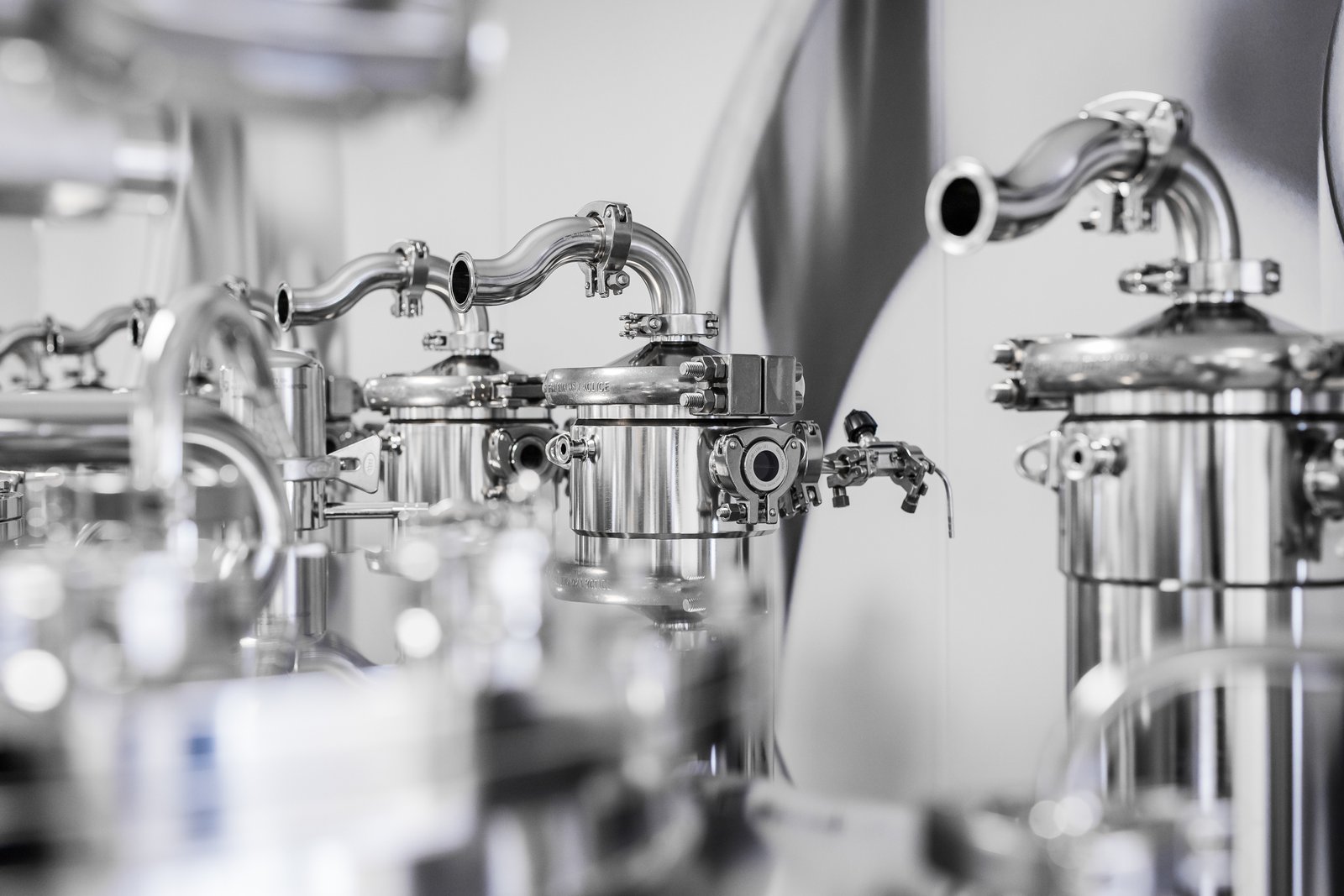
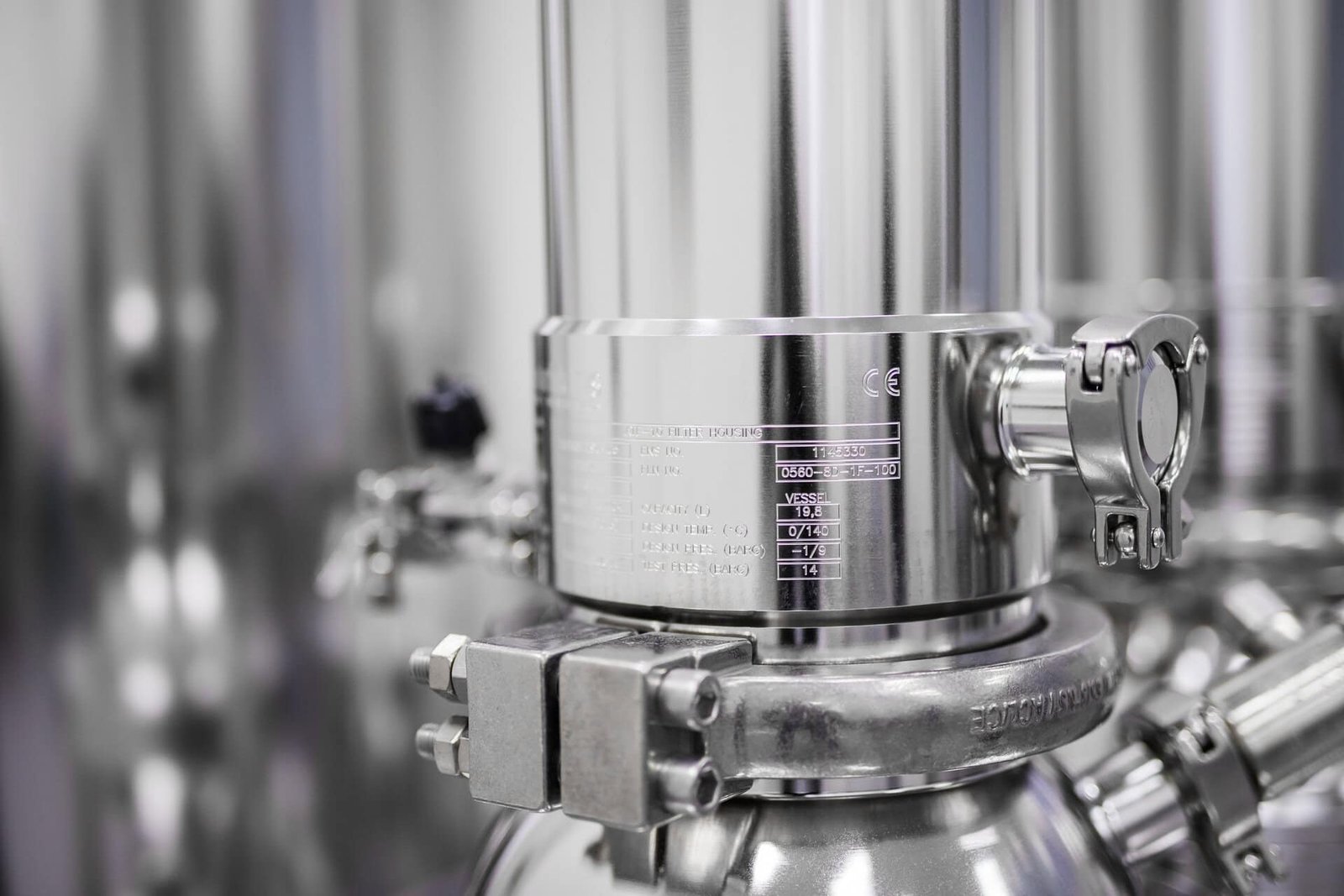
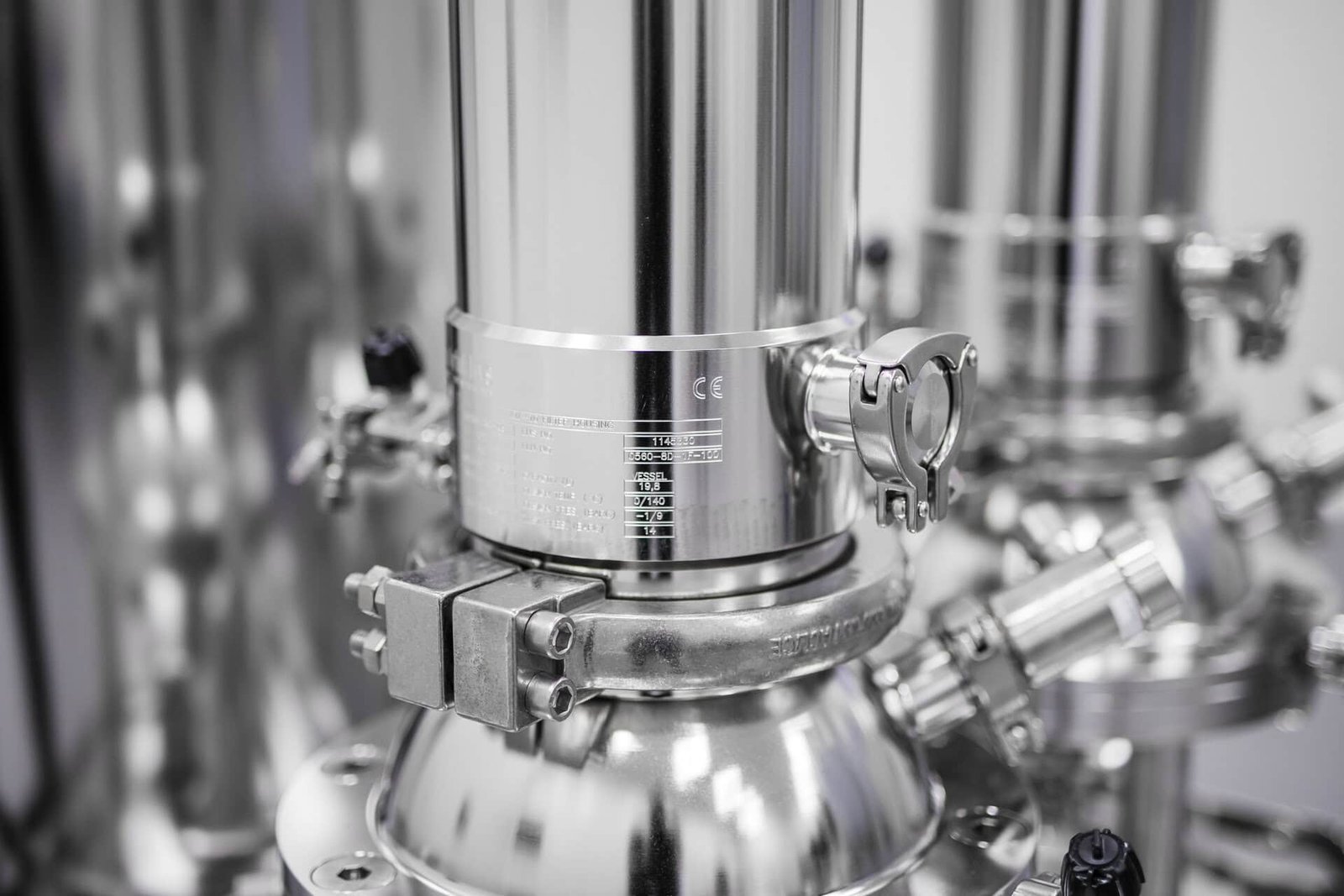
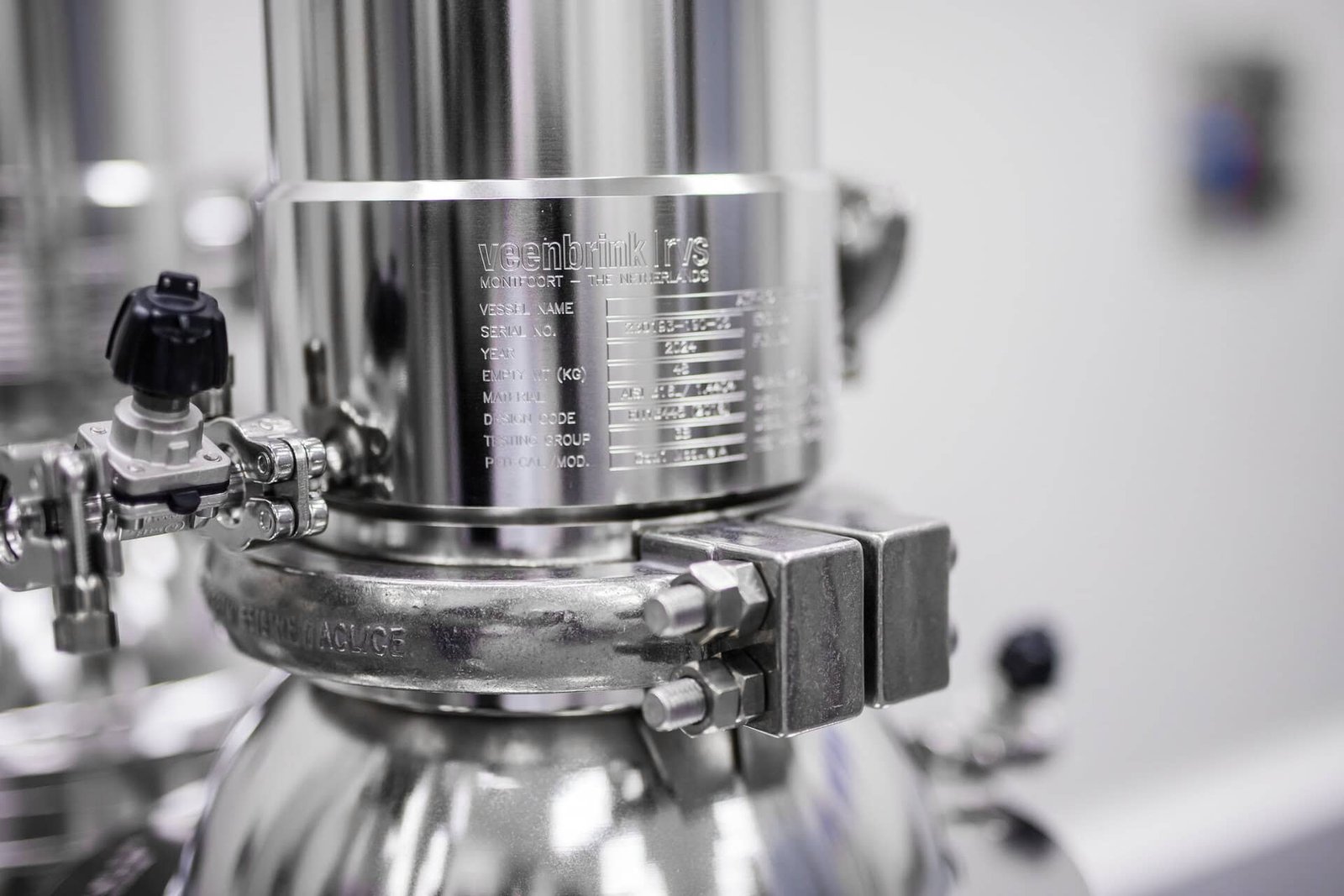
With the ATF (Alternating Tangential Flow) of these bioreactors, the cell suspension (retentate) is removed from the bioreactor using vacuum techniques. Cell-free harvest is recovered and collected by pumping the suspension back into the bioreactor through the filter housing.