



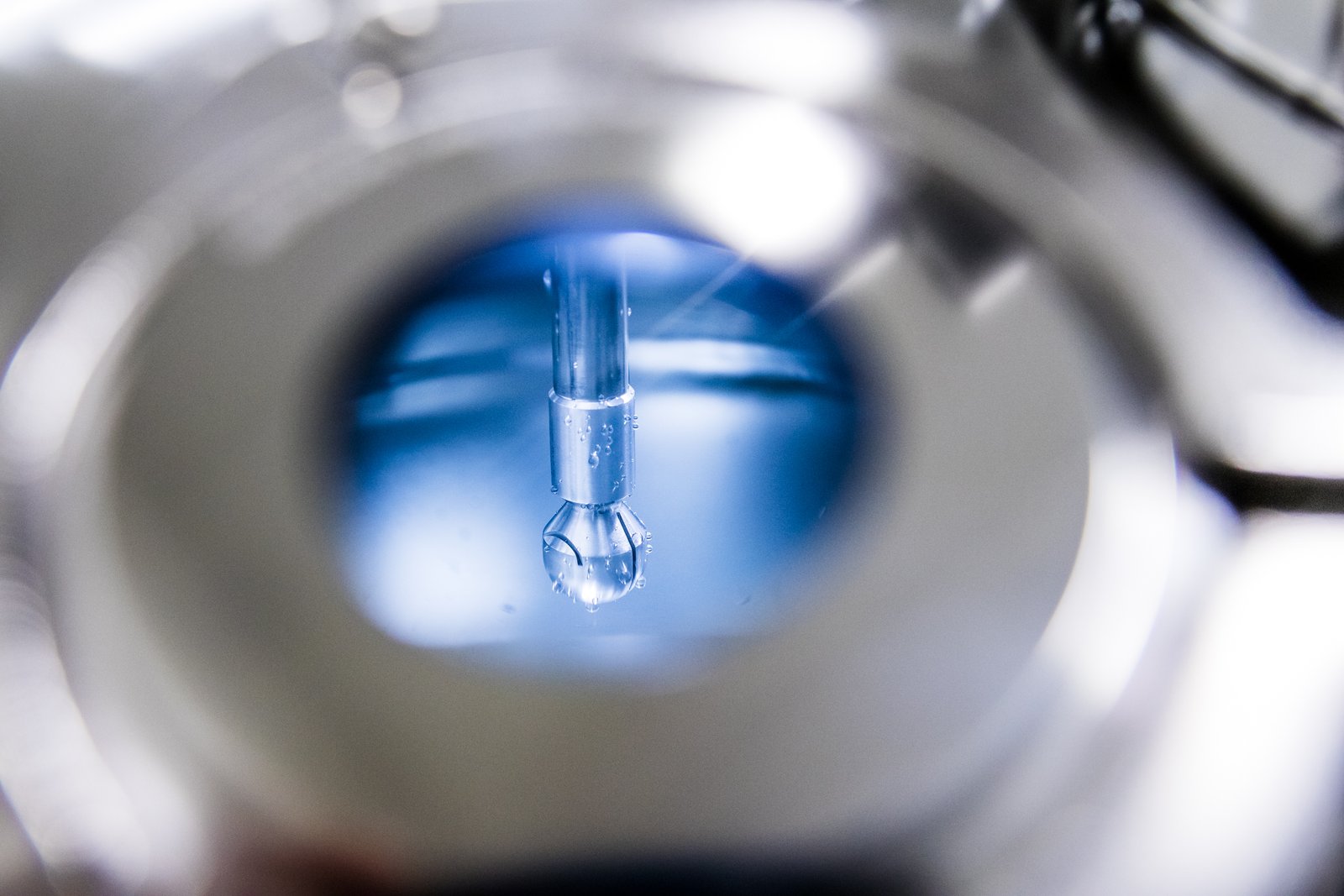
Clean In Place (CIP)
The most common way to clean process tanks locally is CIP (Clean In Place) using spray balls. Based on the tank design, the correct position of the CIP line and the most suitable spray ball are selected. A choice is made between a static or rotating spray ball, a spray pattern of 180°, 270° or 360°, and the connection type: welded, threaded or clip. Of course, the final functional performance of the CIP line and spray ball is proven by means of a riboflavin test.
Sterilisation In Place (SIP)
In addition to CIP, closed process tanks are sometimes also sterilised by means of steam. This is referred to as SIP: Sterilisation In Place or sometimes Steam In Place. Sterilisation temperatures often reach ≤ 121 °C. The advantage of automated CIP and SIP cleaning is that the installation can be cleaned locally without having to dismantle it, which reduces downtime of the production process.
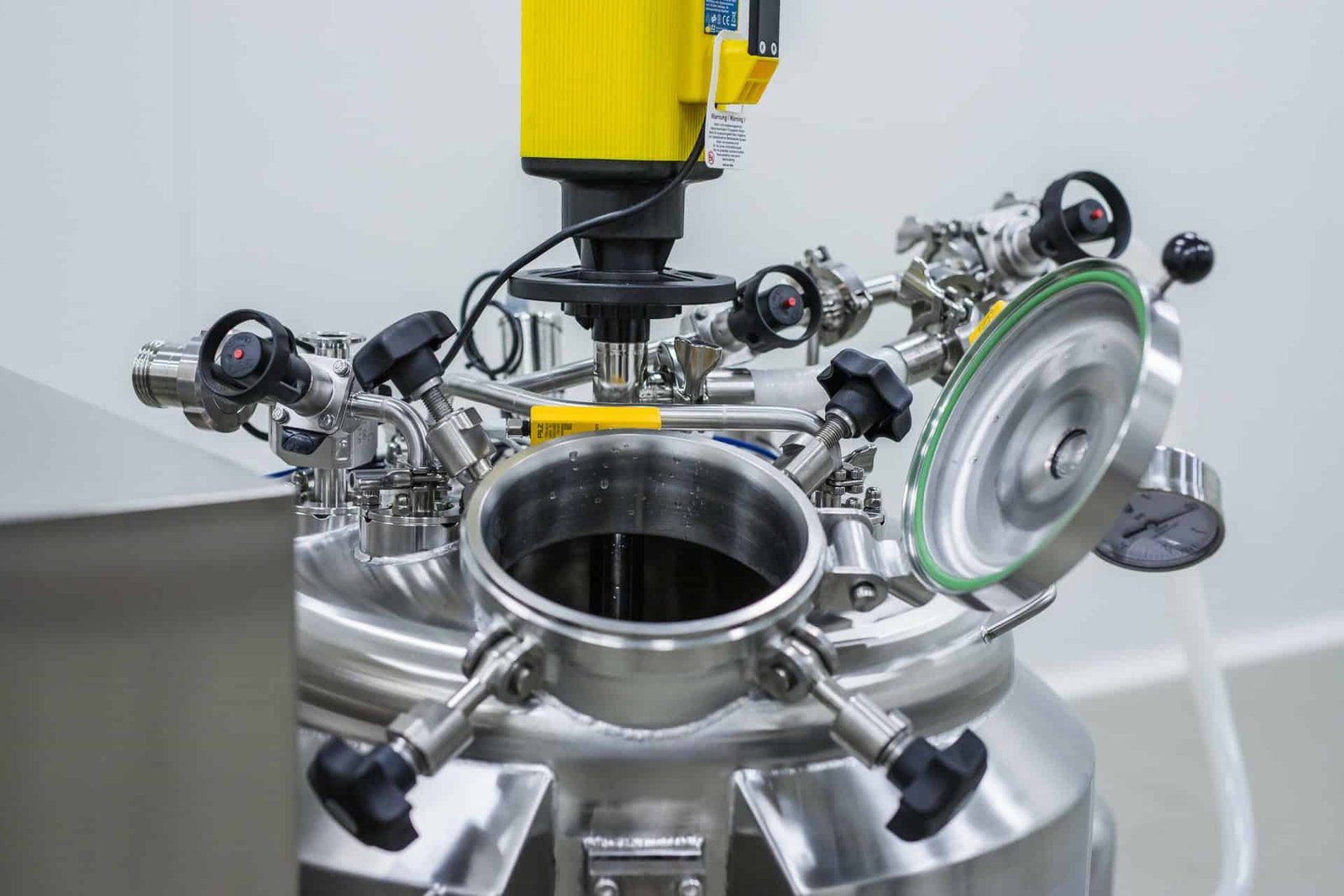
Autoclaving
For smaller process equipment, cleaning by means of an autoclave can sometimes also be an option. In this case, the equipment is not cleaned locally, but dismantled and sterilised by autoclaving. It is important for our engineers to know how the equipment is cleaned, because any valves, instruments and accessories must also be autoclavable.