




Project Management
Veenbrink RVS applies a project-based approach. This is a deliberate choice: our project managers are involved throughout the entire project and therefore know all the ins and outs. This results in quick decision-making and flexibility. Depending on the project, the project managers assemble a dedicated project team. In addition, they are responsible for organizing periodic meetings, managing planning and budgets, ensuring just-in-time delivery of personnel and resources, and maintaining continuous quality control together with a QA coordinator.
PFD & P&ID
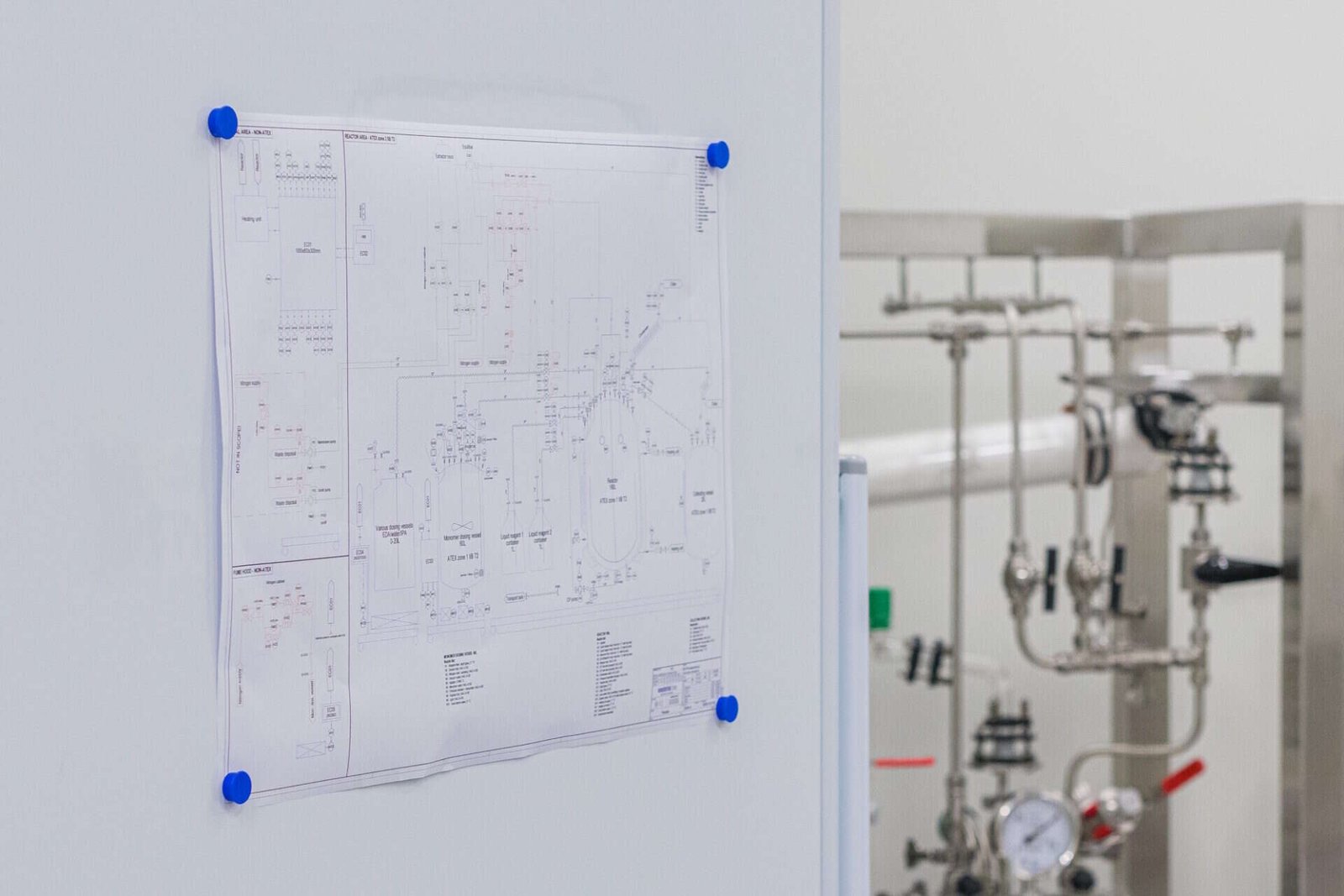
In some cases, the scope description and user requirements are first further elaborated into a Process Flow Diagram (PFD) and/or a Piping & Instrumentation Diagram (P&ID). The PFD provides a schematic representation of the process, showing the different process steps. The P&ID is a more detailed version and also includes piping, valves, instruments, and fittings.
Mechanical Design
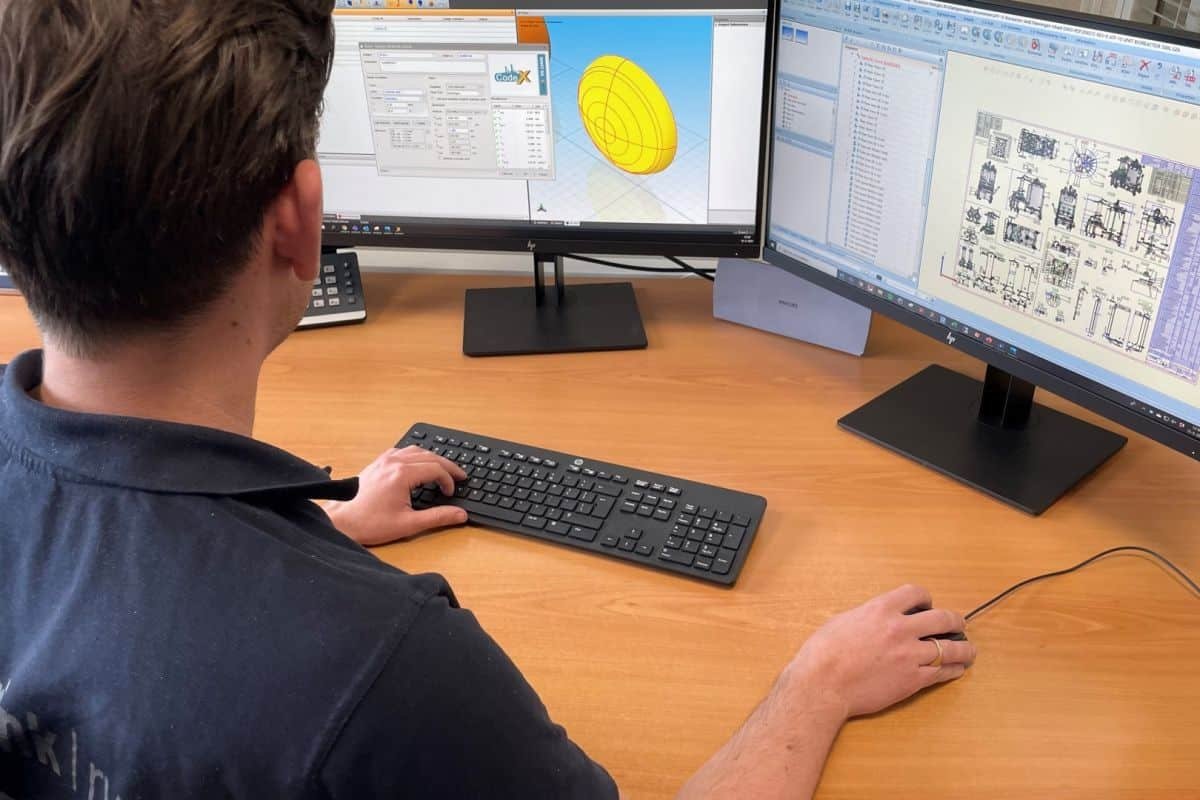
To minimize the total project lead time, mechanical engineers submit drawings for approval at various stages. First, an initial concept drawing is created. This concept drawing represents the first design layout with all basic dimensions and is submitted for approval. Its purpose is to prevent project delays caused by an incorrect basic design.
Once the basic design is approved, the engineer further develops it into a detailed “For Approval” drawing. This drawing includes detailed information such as applicable welding procedures, tolerances, and welding details. This drawing is also submitted for approval.
Structural calculations are carried out and an Inspection and Test Plan (ITP) is prepared. After the design is approved, the required materials are organized and purchased from fixed, certified, and reliable suppliers.
Electrical Design
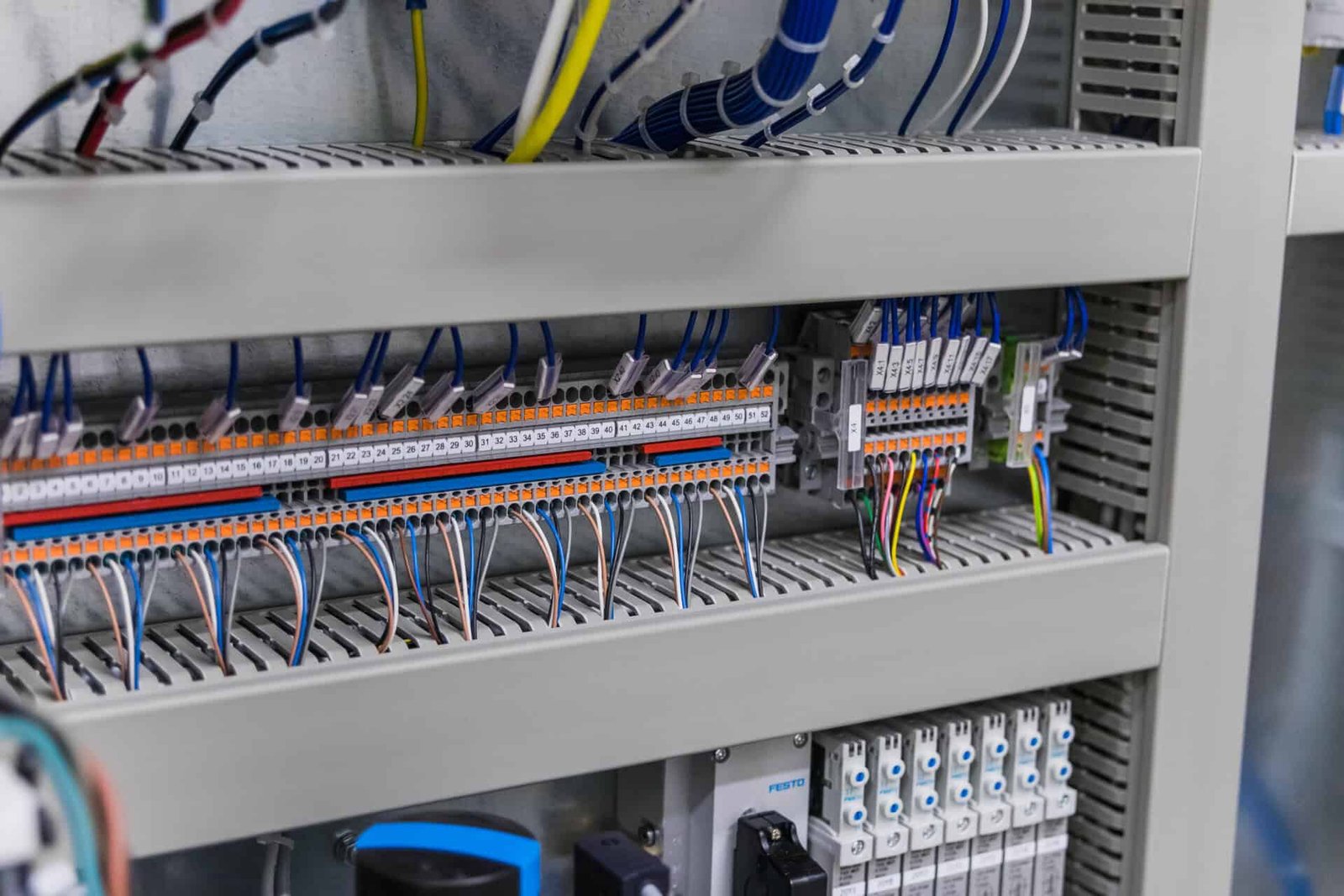
In parallel with the mechanical design, electrical schematics are developed. The scope description and P&ID serve as key inputs for these schematics. Electrical components are typically installed in a standard stainless steel control cabinet, tailored to customer requirements. ATEX-certified control cabinets and systems are also fully supported by Veenbrink RVS. Of course, we also provide the process instrumentation. Of course, we also provide the process instrumentation.
The main process instruments include sensors for level, pressure, temperature, and flow. In addition, various analytical sensors are used, such as for pH and conductivity. Proximity switches are also widely applied, for example to detect the position of a manway or to monitor the speed of a drive.Tot slot wordt er veelvuldig gebruik gemaakt van benaderingsschakelaars om bijvoorbeeld de opening van een mangat of het toerental van een aandrijving te meten of te beveiligen.
Veenbrink RVS typically works with a high-quality preferred list of instruments that have proven themselves over the years. At the same time, we closely monitor the market and stay up to date with the latest developments and innovations. If a customer prefers to select their own instruments—for example to match existing systems or inventory—this is of course no problem.
Automation
De automatisering betreft het schrijven van de software. Dit is veelal een iteratief proces, waar u als klant en uw operators bij betrokken worden. Het voordeel van deze iteratieve aanpak is dat risico’s beperkt worden en tijdig ingespeeld kan worden op eventuele fouten. Hiermee kan ook de ontwikkelingstijd verkort worden, omdat er geen onnodige tijd wordt verspild aan het ontwikkelen van functies die niet (volledig) nodig blijken te zijn.
Op basis van de scopebeschrijving, P&ID, mechanische tekeningen en e-schema’s, stellen de software engineers een functionele beschrijving op in de vorm van een FDS (Functional Design Specification). Ook wordt de TDS (Technical Design Specification) opgesteld, bestaande uit de HDS (Hardware Design Specification) en SDS (Software Design Specification).
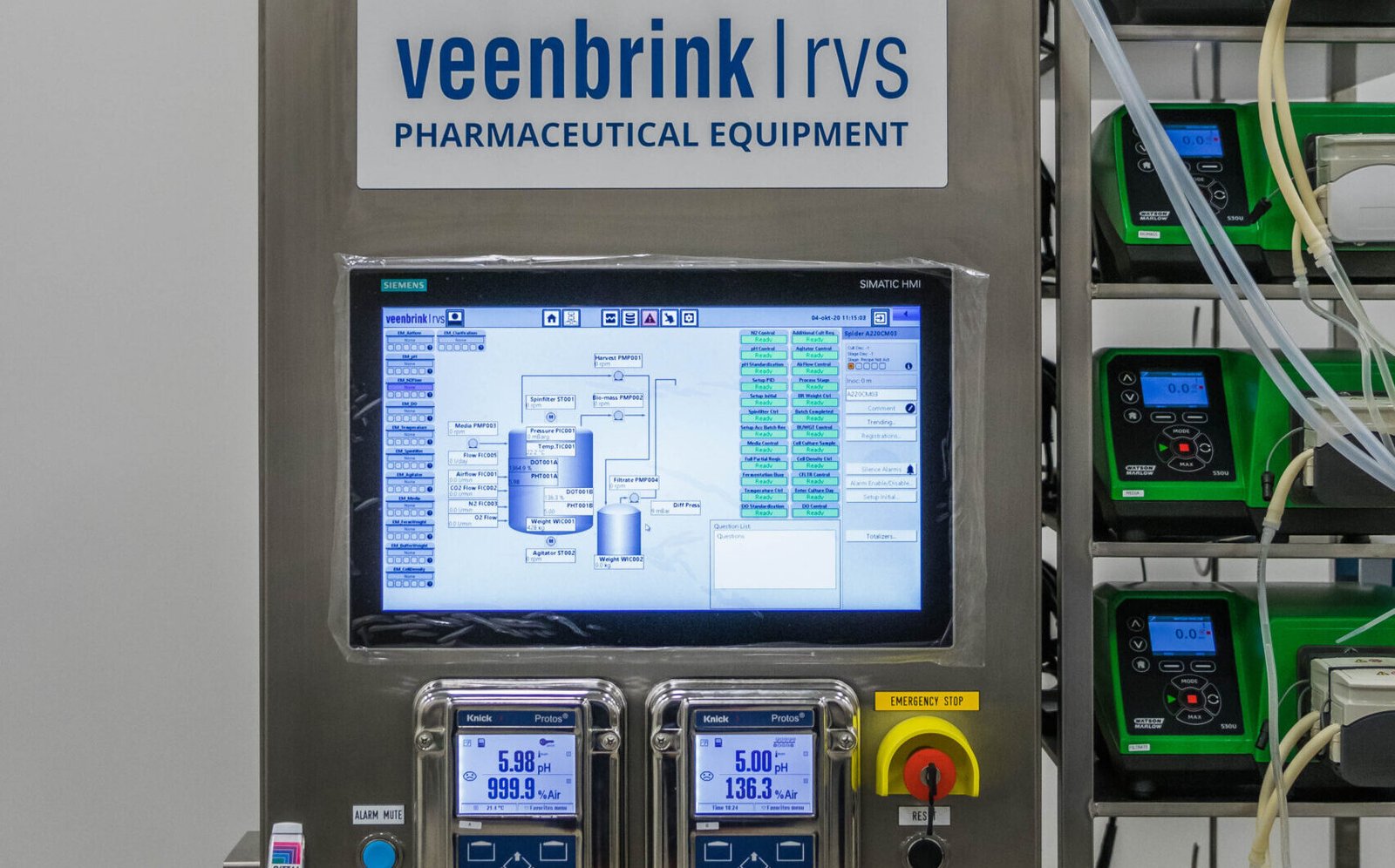
De bediening van het apparaat kan op diverse manieren uitgevoerd worden. De meest eenvoudige oplossing is hardware-matig met drukknoppen of regelaars op de elektrakast. Voor meer mogelijkheden met het regelen en monitoren van programma’s en recepturen kan gekozen worden voor een PLC of voor grotere systemen een SCADA.